
 By
By 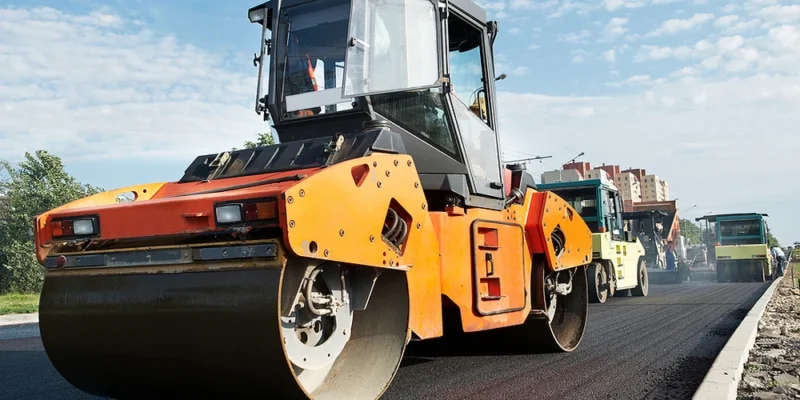
Key Takeaways
Professional asphalt paving can provide commercial properties with durable, functional, and visually appealing pavement when the project is properly planned and installed.
Experienced paving contractors understand factors such as site conditions, drainage, traffic demands, material selection, and installation requirements.
Quality asphalt can provide long-term value by reducing the frequency of major repairs and supporting the continued use of parking lots, driveways, and access roads.
Professional paving services can help businesses minimize disruptions by organizing project schedules and coordinating work around operational needs.
Well-maintained asphalt improves the appearance and usability of commercial properties while creating a more organized environment for customers, employees, and visitors.
Provides Professional Paving Expertise
Experience Makes a Difference
Commercial paving projects can involve considerably more planning and coordination than a simple residential driveway. Parking lots, access roads, loading areas, and other commercial surfaces may experience regular vehicle traffic and need to accommodate different operational requirements.
A commercial asphalt paving company brings experience with these types of projects. Professional crews can evaluate the site, identify potential challenges, and develop an approach based on factors such as traffic levels, drainage, surface conditions, and the intended use of the pavement.
Experience can also help contractors recognize problems before installation begins. Addressing issues with the underlying surface or drainage early can help reduce complications later in the project.
Improves Pavement Durability
Quality Installation Supports Long-Term Performance
The durability of an asphalt surface depends on more than simply placing asphalt on the ground. Proper preparation, material selection, grading, drainage, and compaction all contribute to the performance of the finished pavement.
Professional contractors understand the importance of following appropriate installation practices. They can prepare the surface correctly and use equipment designed for commercial paving applications.
Proper installation does not make asphalt immune to wear, weather, or heavy traffic. However, quality workmanship can help the pavement perform more reliably over time and reduce the likelihood of premature deterioration.
Helps Reduce Long-Term Maintenance Costs
Investing in Quality From the Beginning
Commercial property owners often need to consider the ongoing cost of maintaining their pavement. Cracks, potholes, drainage problems, and surface deterioration can become more expensive when they are allowed to develop without attention.
A properly installed asphalt surface can make routine maintenance more manageable. Regular inspections, crack repairs, sealcoating where appropriate, and proper drainage can help protect the pavement from common forms of deterioration.
Asphalt can also be resurfaced in suitable circumstances, allowing property owners to extend the useful life of an existing pavement structure without automatically replacing the entire surface.
The actual maintenance requirements and lifespan will depend on factors such as traffic, climate, installation quality, drainage, and ongoing care.
Offers Cost-Effective Paving Options
Balancing Upfront Costs With Long-Term Value
The initial price of a paving project is only one part of the overall investment. Property owners should also consider how the pavement will perform over time and what maintenance it will require.
Asphalt is widely used for commercial parking lots, driveways, access roads, and other applications because it can provide a practical combination of durability and cost efficiency.
Professional contractors can also help property owners determine which paving approach is appropriate for their site. Depending on the condition of an existing pavement, options may include new installation, resurfacing, overlays, or localized repairs.
Considering these options can help businesses make informed decisions rather than automatically choosing the most expensive or least expensive solution.
Minimizes Business Disruptions
Efficient Planning Keeps Projects Moving
Paving work can temporarily affect parking, entrances, loading areas, and vehicle access. For businesses, poor scheduling can create unnecessary interruptions to normal operations.
Professional paving contractors can organize projects around factors such as property access, traffic patterns, business hours, weather, and the different stages of construction.
Clear communication is particularly important for commercial projects. Property owners should know what areas will be affected, how long each stage is expected to take, and what temporary access arrangements may be necessary.
Although every paving project has different scheduling requirements, careful planning can help minimize unnecessary disruption.
Improves Commercial Property Appearance
Creating a Better First Impression
The condition of a parking lot or access road can influence how visitors perceive a commercial property. Cracked, uneven, or heavily deteriorated pavement can make an otherwise well-maintained building appear neglected.
New or properly maintained asphalt creates a cleaner and more organized appearance. Smooth surfaces, clearly defined parking areas, and appropriate pavement markings can contribute to a more professional-looking property.
Appearance is not the only consideration, but it can be an important part of maintaining a commercial location that is welcoming to customers and visitors.
Enhances Property Functionality and Traffic Flow
Making Commercial Spaces Easier to Navigate
Commercial asphalt paving can improve the functionality of parking lots and access areas. Smooth and properly designed surfaces make it easier for vehicles to enter, exit, park, and move through the property.
Proper grading and layout can also help direct water away from important areas. Good drainage is particularly important because standing water can contribute to pavement deterioration over time.
For properties with frequent deliveries or heavy vehicle activity, pavement design also needs to account for the types of vehicles using the site.
When the pavement is designed around the property’s actual needs, it can support smoother daily operations.
Supports Safety for Customers and Employees
Reducing Common Pavement Hazards
Damaged pavement can create problems for both vehicles and pedestrians. Potholes, significant cracks, uneven surfaces, and poorly maintained parking areas can make navigating a commercial property more difficult.
Professional paving can address these issues through proper installation, repairs, grading, and pavement maintenance.
Clearly marked parking spaces and appropriate traffic areas can also help organize vehicle movement. While paving alone cannot eliminate every safety risk, maintaining functional surfaces can contribute to a safer and more accessible commercial environment.
Provides Access to Specialized Equipment and Skills
Professional Tools Improve Project Efficiency
Commercial paving projects often require specialized equipment, including asphalt pavers, rollers, graders, milling machines, and other machinery. Using the right equipment helps contractors complete different stages of the project efficiently.
Equipment is only part of the process, however. Skilled operators need to understand how to use machinery correctly and coordinate each stage of paving.
Professional contractors also have experience working with different site conditions and project requirements. This combination of equipment and expertise can be particularly valuable for larger commercial properties where pavement quality and project coordination are important.
Can Increase the Long-Term Value of the Property
Paving as a Property Investment
A well-maintained parking lot, driveway, or access road can contribute to the overall condition and usability of a commercial property.
Quality pavement supports everyday operations while improving the property’s appearance and accessibility. These factors can make a commercial location more attractive to customers, tenants, employees, and potential buyers.
Investing in professional paving should therefore be viewed as part of broader property maintenance rather than simply a short-term construction expense.
The financial return will vary depending on the property, local market conditions, pavement condition, and quality of the work. Still, maintaining functional and attractive pavement can help protect the property’s usefulness over the long term.
FAQ
How long can commercial asphalt pavement last?
The lifespan of commercial asphalt varies depending on traffic levels, drainage, climate, installation quality, maintenance, and other site conditions. Regular inspections and timely maintenance can help extend the useful life of the pavement.
What maintenance does commercial asphalt require?
Common maintenance may include crack repair, sealcoating when appropriate, pothole repair, drainage maintenance, and periodic inspections. The specific maintenance schedule depends on the pavement’s condition and usage.
How does weather affect asphalt paving?
Temperature, rain, and other weather conditions can affect asphalt installation and curing. Professional contractors generally schedule paving according to suitable conditions and the requirements of the materials being used.
Can existing asphalt be resurfaced?
In some cases, resurfacing or an asphalt overlay can restore an existing pavement surface. However, the underlying pavement must be evaluated first to determine whether resurfacing is appropriate.
How long does a commercial paving project take?
Project duration depends on factors such as the size of the property, scope of work, surface condition, weather, materials, and required preparation. A contractor can provide a more accurate schedule after evaluating the site.
What is the difference between commercial and residential asphalt paving?
Commercial paving generally involves larger surfaces, heavier traffic, more complex site requirements, and greater coordination around business operations. Commercial contractors may also use equipment and crews suited to larger-scale projects.
Is asphalt an environmentally friendly paving material?
Asphalt can be recycled, and reclaimed asphalt pavement can be incorporated into new paving materials. Some projects may also use technologies such as warm-mix asphalt to reduce production temperatures and energy consumption.
What should I ask before hiring a paving contractor?
Property owners should ask about the contractor’s experience, scope of work, materials, project timeline, preparation process, drainage plans, maintenance recommendations, warranties, and insurance coverage. Getting these details in writing can help establish clear expectations before work begins.





Comments