
 By
Key Takeaways
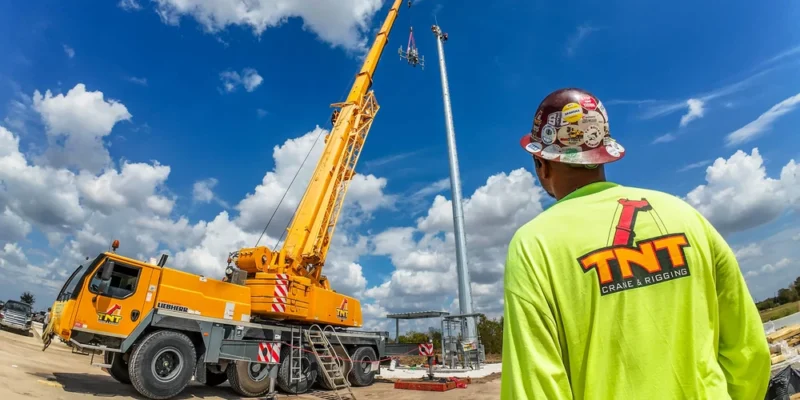
When it comes to construction, crane rentals can greatly improve productivity. They facilitate quick setup and teardown, which helps keep projects on schedule and cuts costs associated with delays.
With flexible rental options, businesses have the ability to choose from various crane types and adjust rental durations according to specific project requirements. This adaptability is key in the face of changing conditions.
Renting cranes offers a financially savvy choice, eliminating costs tied to equipment maintenance, storage, and depreciation. This allows resources to be used more effectively across the board.
Accessing modern equipment through rentals means crews operate with well-maintained machinery featuring the latest technology. This not only improves productivity but also enhances safety on job sites.
Finally, professional crane operators provided by rental services guarantee compliance with local regulations and prioritize safety, minimizing risk and liability for construction companies.
Comprehending the unique functions of different crane types is vital for aligning the right equipment with job specifics, including necessary weight capacities and terrain conditions.
Assessing site conditions is equally important for selecting the right crane, as it can significantly influence safety, project timelines, and overall success in construction endeavors.
Maximize Efficiency: How Crane Rentals Speed Up Construction Projects
In the dynamic realm of construction, crane rentals can lead to a remarkable boost in productivity. Industry professionals often highlight the necessity of efficient operations. Delays result in rising costs; therefore, implementing time-saving strategies is essential. This is where crane rentals shine, providing quick setup and takedown that keeps projects moving forward. It’s akin to having a dependable partner on hand for all heavy lifting needs.
Quick Setup and Teardown: The Time-Saving Advantage
The success of a construction project relies heavily on efficient logistics. Renting a crane allows teams to quickly mobilize vital lifting equipment without the need for extensive prep work. Typically, rental cranes arrive fully assembled, which can drastically cut down setup time. When schedules are tight, every hour matters.
What does this efficiency mean in practical terms? Consider:
- Faster access to heavy materials saves precious time.
- Minimized downtime increases labor productivity.
- Expedited mobilization boosts overall project momentum.
For businesses assessing the advantages of crane rental, the time saved often makes the decision a clear win.
Flexible Rental Options: Tailoring to Project Needs
No two projects are alike, and requirements often change. Renting cranes provides the flexibility to select different types based on immediate project demands. This is particularly crucial when tackling various tasks on-site. Instead of committing to just one crane type, businesses can choose a rental that matches their current objectives.
The flexibility offers several key benefits:
- A diverse range of crane options: carry deck cranes, rough terrain cranes, and all-terrain cranes.
- The ability to adjust rental durations, whether short-term or long-term.
- The opportunity to switch equipment as project needs evolve.
This level of adaptability allows teams to respond to changing conditions swiftly, ensuring effective operations continue.
Cost-Effective Heavy Lifting: Why Renting Beats Buying
Investing in heavy machinery like cranes often drains valuable resources. So why do many companies prefer renting? The answer lies in the cost efficiency associated with crane rental in Los Angeles. This financial approach not only helps lower overhead but also allows budgets to be allocated more thoughtfully.
Reducing Overhead Costs: A Financially Smart Choice
Owning cranes entails hefty maintenance costs, storage requirements, and potential depreciation. Choosing to rent eliminates many of those financial burdens. When a project calls for a crane, rental options present an effective solution without the long-term fiscal commitment.
These financial benefits include:
- No need for costly storage or ongoing maintenance expenses.
- Only pay for equipment during its active use.
- No depreciation or asset management concerns.
Many companies find these aspects liberating. Paying only for what is used can free up capital for other project necessities.
Access to Modern Equipment: The Latest Technology without the Commitment
Relying on older equipment can impede project efficiency. When organizations opt to rent cranes, they gain access to well-maintained, contemporary machinery. Leveraging cutting-edge technology ensures crews can operate at peak performance. Investing in high-cost equipment is sidestepped, which is a significant plus.
“Why settle for outdated equipment when you can have the latest technology at a fraction of the cost?”
This approach not only elevates productivity but also improves safety. Newer machines often incorporate better mechanisms and technology that reduce accident risk. Prioritizing worker safety makes the choice for modern equipment an obvious one.
Safety First: The Role of Professional Crane Operators
Construction sites require strict adherence to safety protocols. Thus, the value of professional operators cannot be overstated. Crane rental services frequently include skilled operators as part of their offerings, ensuring that every lift is executed efficiently and, most importantly, safely.
Ensuring Compliance with Local Regulations and Standards
The construction industry faces rigorous regulatory demands. Navigating these can be challenging for teams, especially regarding safety requirements. Renting cranes from reputable companies guarantees that operators are trained to meet local laws. This compliance safeguards the workforce and mitigates potential legal challenges for the project.
- Proficiency in OSHA and local regulations.
- Liability reduction for the hiring company.
- Confidence in knowing processes adhere to safety standards.
Having qualified expertise on-site significantly enhances the safety culture within the workspace.
Expertise that Minimizes Risk: How Skilled Operators Make All the Difference
The level of training and knowledge in crane operation is vital. A small mistake can lead to catastrophic accidents or project delays. When cranes are rented, skilled operators often come as part of the package. These professionals can assess site conditions, know the limits of equipment, and maneuver cranes adeptly.
“A skilled operator can transform a good project into a great one, ensuring not only efficiency but safety.”
Moreover, the peace of mind that comes from employing trained personnel allows project managers to focus on other critical components of construction.
Choosing the Right Crane: Key Considerations for Los Angeles Projects
Selecting the right crane isn’t just a straightforward decision; it requires careful analysis and experience to align equipment with specific job requirements. Understanding the demands of each project is key to successful heavy lifting operations.
Understanding Crane Types: Match Equipment to Job Requirements
Each crane type serves a unique purpose. Businesses operating in Los Angeles frequently encounter a variety of site conditions, which affects their choices. Familiarity with available models can make a significant difference.
- Carry deck cranes: Compact and versatile, ideal for tight spaces.
- Rough terrain cranes: Built for off-road conditions requiring adaptability.
- All terrain cranes: Perfect for large projects needing stability and mobility.
Being knowledgeable about these distinctions enables project managers to make informed choices. Matching the correct crane with the right job is critical for achieving efficiency and effectiveness.
Assessing Site Conditions: Factors that Influence Equipment Choice
Site conditions can shift abruptly during construction. From ground composition to nearby structures, various factors dictate equipment selection. Understanding these conditions is essential for ensuring safe operations.
- Type of terrain: Is it flat, sloped, or uneven?
- Space constraints: Is there enough room for operations?
- Weight capacity needs: What’s the maximum load to be lifted?
These considerations form the foundation for selecting the appropriate crane. They impact safety, project timelines, and the overall success of construction work.
For businesses aiming to enhance their heavy lifting capabilities, crane rental in Los Angeles offers a wide array of benefits. From efficiency maximization to improved safety protocols, the advantages are extensive. Navigating the selection process with expert assistance guarantees optimal results and a rewarding construction journey. For companies dealing with heavy lifting challenges, this rental option opens up countless opportunities for successful projects.
FAQ
What factors influence crane rental costs in Los Angeles?
A variety of elements can affect crane rental costs, including the type of crane, rental duration, and any additional services like operator fees. Local demand and market competition can also lead to price variations, making it important for businesses to research and find the best options.
How can businesses ensure they rent the right type of crane?
A thorough assessment of project requirements is crucial. Understanding load capacities, terrain conditions, and specific tasks helps align the right crane type with job demands. Consulting with rental specialists can provide tailored insights based on the project’s unique needs.
What’s the process for scheduling a crane rental?
Typically, scheduling begins with contacting a rental company to discuss project specifics. After that, it usually involves confirming availability, addressing logistics, and finalizing rental agreements. Flexibility is common in scheduling, offering options that range from on-demand to advance bookings based on project timelines.
Are there insurance requirements for renting a crane?
Most rental companies expect proof of general liability insurance before completing rentals. This protects both the rental firm and the client in the event of accidents or equipment damage. It’s wise for businesses to review these requirements and ensure compliance ahead of the rental process.
How do rental companies handle maintenance and repairs for cranes?
Reputable rental companies diligently maintain their fleets, conducting regular inspections and servicing to ensure top performance. Should a breakdown occur, they typically offer prompt repair responses, minimizing project downtime. Clients can generally expect maintenance services to be included in their rental agreements.
What are best practices for using rented cranes safely?
Utilizing trained operators is essential. Additionally, conducting site assessments before lifting activities begin is important to identify potential hazards. Maintaining open communication among crew members during operations wins in safety and efficiency alike.
How can crane rentals influence project timelines?
Effective crane operations can significantly reduce project timelines by limiting delays tied to heavy lifting. The combination of quick setup, rapid teardown, and skilled operators enables work to advance without interruptions that might arise from equipment failures or logistical snags.
What types of cranes are most commonly rented for construction projects?
Commonly rented cranes include rough terrain cranes for off-road applications, all-terrain cranes for versatile use over various surfaces, and carry deck cranes for projects where space is limited. Each type is designed for specific functions, making it crucial to select the right crane based on the project’s distinct requirements.
Useful Resources
- National Commission for the Certification of Crane Operators (NCCCO)
- Occupational Safety and Health Administration (OSHA)
- Construction Industry Resources
- American Cranes & Transport Magazine
- American Concrete Pumping Association (ACPA)
- Crane & Lifting Equipment Magazine
- American Institute of Steel Construction (AISC)
- Crane Industry Management Resources







Comments