
 By
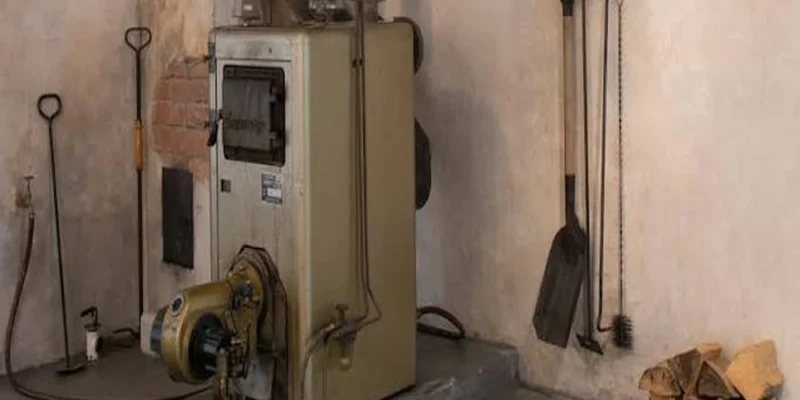
The first truly cold night of the year tells you a lot about a house. The radiators tick, the floorboards creak and somewhere in the basement an old boiler fires up for the first serious shift of the season. If that boiler was put in before your kids were born, you’ve probably wondered whether you should keep paying for repairs or finally replace it.
Homeowners around Chesterfield Township and the nearby Burlington County towns who want a trained opinion on that question often reach out to Blue Boxer Plumbing. This family-owned team has more than a decade of local work behind it and handles boiler repairs, energy-efficient boiler replacements, water heaters and water main problems. Even so, it helps to understand the decision yourself before anyone hands you a quote, so you can follow what you’re told and ask better questions.
The Birthday Printed on the Rating Plate
Start with age, because it frames everything else. Look on the side of the boiler or inside the jacket panel for a metal rating plate. It usually shows the model, the serial number and sometimes the manufacture date. If no date is printed, the manufacturer can often decode it from the serial number.
A well-kept cast iron boiler can run for 25 years or more. Steel and some newer compact boilers usually last a shorter time, often 15 to 20 years. The material matters because cast iron sections can sometimes be replaced one at a time, while a failed steel heat exchanger usually means the whole unit has to go. Age doesn’t condemn a boiler on its own, but it changes how much repair spending makes sense.
What the Basement Is Trying to Tell You
Boilers rarely fail without warning. They hint for a season or two, and most homeowners hear those hints long before they act on them.
Sounds that weren’t there last winter
A rumbling, popping noise like a kettle about to boil is called kettling. It usually means scale or sludge has built up inside the heat exchanger and water is flashing to steam in hot spots. Banging pipes in a hot water system can point to trapped air. In a steam system, the same noise often means water is pooling in pipes that have lost their slope.
Water where it shouldn’t be
A small drip from the pressure relief valve is easy to ignore. Often the cause is a waterlogged expansion tank letting system pressure climb past what the valve allows. Water seeping from the boiler body is more serious, because it can mean a cracked section or a corroded heat exchanger.
Soot, odors and a yellow flame
A healthy gas burner burns blue. Lazy yellow flames, soot around the burner door or a sharp smell when the boiler starts point to combustion problems. Those need a technician soon, and every home with fuel-burning equipment should have working carbon monoxide alarms on each level.
Rooms that never catch up
If a back bedroom stays cold while the living room overheats, the boiler may not be the cause. Air-bound radiators, a weak circulator pump or poor zoning can produce the same symptom, so a good diagnosis checks all of these first.
Doing the Repair Math Honestly
Many contractors use a simple rule of thumb. If a boiler is past about two-thirds of its expected life and the repair costs more than half the price of a new one, replacement usually wins. The rule is rough, but it stops you from paying for a large repair on equipment that is close to the end anyway.
Some repairs make sense at almost any age because the parts are modular and relatively cheap. These typically include:
- a failed circulator pump or zone valve
- a worn igniter, thermocouple or flame sensor
- a waterlogged expansion tank
- a faulty aquastat or pressure relief valve
The diagnoses that usually end the conversation are different. A cracked heat exchanger, a leaking cast iron section on a model that’s no longer supported, or a control board whose replacement parts have become hard to find all point toward replacement. If parts are scarce, even a modest breakdown in January can leave you without heat for days.
Efficiency Numbers Without the Sales Pitch
The efficiency rating to look for is AFUE, which stands for annual fuel utilization efficiency. Many boilers installed decades ago run in the 60 to 75 percent range. That means a large share of every fuel dollar goes up the chimney. According to ENERGY STAR’s boiler guidance, certified gas boilers must reach at least 90 percent AFUE and certified oil boilers at least 87 percent.
Those high numbers usually come from condensing boilers, which capture extra heat from the exhaust by cooling it until the water vapor condenses. They only reach their full rating when the water returning from the radiators is cool enough, roughly below 130°F. Homes with generous cast iron radiators or radiant floors often achieve that easily. Homes with small baseboard runs sized for very hot water may see real gains, but smaller ones than the label suggests. An outdoor reset control, which lowers the water temperature on milder days, helps close that gap.
Condensing units also bring practical changes. They usually vent through plastic pipe out a side wall instead of the chimney, and they need a drain for the slightly acidic condensate. Your installer should plan both before any equipment arrives.
Steam Houses Play by Different Rules
Older homes with steam heat need separate advice. Steam boilers can’t condense, so their efficiency ceiling is lower, and replacing one is less about chasing a big efficiency number than about getting the installation right. The near-boiler piping makes a large difference to how quietly and evenly the system heats. So do the vents on each radiator and the slope of the mains. A new steam boiler connected to rushed piping can bang and spit just like the old one.
Some steam owners consider converting to hot water. That can work, but it often means new radiators or piping in places, which makes it a bigger project than a simple swap.
Sizing Is Where Replacements Go Wrong
The most common mistake in boiler replacement is matching the new unit to the old nameplate. Many older boilers were oversized from the start. Since then, most houses have gained insulation, newer windows and better air sealing, so they need less heat than they once did. An oversized boiler short-cycles, wastes fuel and wears out faster.
A proper replacement starts with a heat loss calculation for your home as it is now. For smaller homes that also need new hot water equipment, a combi boiler, which heats both the radiators and the tap water, can free up floor space and remove a separate water heater. It works best with modest hot water demand rather than several showers running at once.
Buying Time for an Old Boiler
If the verdict is to keep the boiler going a while longer, a few habits make a real difference. Have it serviced every year before the heating season so a technician can clean the burner, test safety controls and check combustion. On a hot water system, glance at the pressure gauge now and then. Readings around 12 to 15 psi when cold are typical for many homes, and a gauge creeping toward 30 psi deserves a call. Bleed air from radiators that warm only at the bottom. Steam owners should follow the manufacturer’s schedule for flushing the low water cutoff, because that small device is what stops the boiler from firing dry.
Making the Call Before the Cold Does
A boiler decision is easiest to make in daylight, with time to compare options, and hardest to make at two in the morning with the house cooling. If your system is approaching the back third of its life, schedule an honest evaluation during a mild week. Bring your observations about noises, leaks, cold rooms and fuel bills. With that information and a clear sense of what each repair is worth, you can choose repair or replacement on your own schedule instead of waiting for the boiler to fail.





Comments