
 By
By 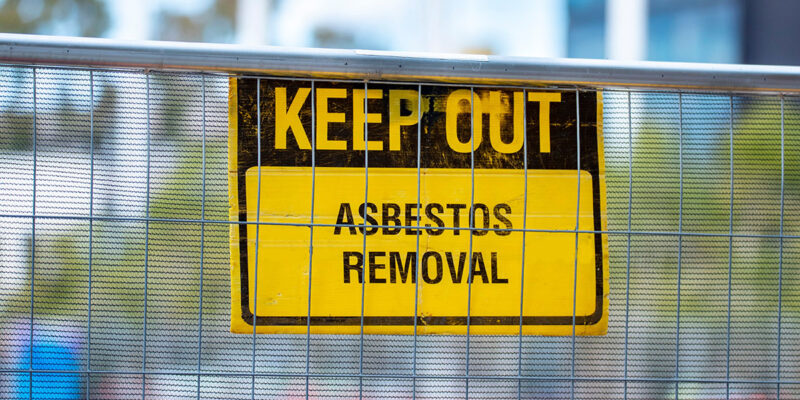
Historical Use Of Asbestos
Asbestos was widely used in construction materials from the 1930s until the late 1970s. This mineral was favored for its durability and resistance to heat and chemicals. Many homes built before 1980 may still contain asbestos in various forms, including:
- Insulation materials
- Floor tiles
- Ceiling tiles
- Roofing materials
The U.S. Environmental Protection Agency (EPA) estimates that over 30 million tons of asbestos were used in the U.S. during this period. This extensive use has left a legacy of potential exposure in older homes.
Health Risks Associated With Asbestos
Exposure to asbestos can lead to serious health issues, particularly for those who have been exposed over long periods. Common diseases linked to asbestos include:
- Pleural mesothelioma
- Asbestosis
- Lung cancer
These conditions often develop many years after exposure, making it crucial for homeowners to be aware of the risks associated with asbestos in their homes.
Regulations Impacting Asbestos Use
In the 1970s and 1980s, regulations were introduced to limit the use of asbestos in new products. However, many older homes still contain materials that were manufactured before these regulations took effect. As a result, homeowners should be vigilant about the potential presence of asbestos in their properties, especially if they are planning renovations or repairs. Understanding these regulations can help homeowners make informed decisions about managing asbestos risks in their homes.
Identifying Asbestos In Older Homes
Common Locations For Asbestos
Identifying asbestos in older homes can be challenging, as the material is not visible to the naked eye. However, certain areas are more likely to contain asbestos, especially in homes built before 1980. Common locations include:
- Popcorn ceilings: Often found in homes built between 1945 and the early 1990s, these textured ceilings may contain asbestos.
- Vinyl flooring: Some vinyl tiles and the adhesive used to install them may have asbestos.
- Insulation: Asbestos was commonly used in insulation around pipes and in attics.
- Ceiling tiles: Many older ceiling tiles contain asbestos for fire resistance.
- Roofing materials: Asbestos was used in roofing felt and shingles.
Signs Of Asbestos Presence
While it is difficult to see asbestos itself, there are signs that may indicate its presence:
- Age of the home: Homes built before 1980 are more likely to contain asbestos materials.
- Damaged materials: If insulation, tiles, or ceilings are crumbling or damaged, they may release asbestos fibers.
- Renovation history: If previous renovations were done without proper precautions, asbestos may have been disturbed.
Professional Testing Options
If there is a suspicion of asbestos in a home, it is crucial to avoid touching or disturbing the materials. Instead, homeowners should consider:
- Hiring a professional: A trained asbestos inspector can safely assess the home and take samples for testing.
- Laboratory testing: Samples can be sent to accredited labs to confirm the presence of asbestos.
- Avoiding DIY testing: Homeowners should not attempt to collect samples themselves, as this can increase exposure risks.
By understanding where to look and recognizing the signs, homeowners can take the first steps in managing potential asbestos hazards.
Health Risks For Veterans Exposed To Asbestos
Asbestos-Related Diseases
Veterans who were exposed to asbestos face serious health risks. The most common diseases linked to asbestos exposure include:
- Mesothelioma: A rare and aggressive cancer that affects the lining of the lungs, heart, or abdomen.
- Asbestosis: A chronic lung disease caused by inhaling asbestos fibers, leading to scarring of lung tissue.
- Lung Cancer: Increased risk for veterans who have been exposed to asbestos, especially if they are smokers.
Long-Term Health Effects
The effects of asbestos exposure may not appear until many years later. Some long-term health effects include:
- Breathing Difficulties: As the lungs become damaged, veterans may experience chronic coughing and shortness of breath.
- Increased Risk of Other Cancers: Besides lung cancer, exposure can lead to cancers of the larynx, ovary, and gastrointestinal tract.
- Reduced Quality of Life: Many veterans suffer from debilitating symptoms that affect their daily activities and overall well-being.
Support Resources For Veterans
Veterans facing health issues due to asbestos exposure can find support through various resources:
- Department of Veterans Affairs (VA): Offers benefits and medical care for veterans diagnosed with asbestos-related diseases.
- Mesothelioma Veterans Center: Provides information and assistance for veterans seeking compensation and treatment options.
- Support Groups: Connecting with others who have similar experiences can provide emotional support and practical advice.
Safe Handling Of Asbestos In Homes
Asbestos can be very dangerous, especially in homes built before 1980. Homeowners must take special care when dealing with materials that may contain asbestos. Here are some important guidelines to follow:
Do’s And Don’ts Of Asbestos Removal
Do’s:
- Avoid damaging any materials that might contain asbestos.
- Keep away from areas where asbestos is suspected.
- Consult with home inspectors or realtors about known asbestos materials before purchasing a home.
- Hire professionals for any testing, removal, or encapsulation of asbestos materials.
- Inspect your home before any demolition to ensure safe handling of hazardous materials.
Don’ts:
- Do not disturb asbestos-containing materials by sanding, scraping, or drilling.
- Avoid using a vacuum or broom to clean up any disturbed asbestos.
- Never attempt to collect samples of suspected asbestos for testing.
- Do not remove asbestos materials unless absolutely necessary and only by professionals.
- Never throw away asbestos materials in regular trash.
Hiring Professional Services
Homeowners should never try to handle asbestos on their own. The Occupational Safety and Health Administration (OSHA) states that there is no safe level of asbestos exposure. Improper handling can release harmful fibers into the air, posing serious health risks. It is crucial to hire trained professionals who can safely manage and dispose of asbestos materials.
Emergency Procedures
If a homeowner suspects they have been exposed to asbestos, they should seek medical advice immediately. Regular check-ups can help monitor for signs of asbestos-related diseases, such as mesothelioma. Early detection is key to better treatment options and outcomes.
By following these guidelines, homeowners can protect themselves and their families from the dangers of asbestos exposure. Awareness and caution are essential in ensuring a safe living environment.
Legal Rights And Benefits For Veterans
Compensation For Asbestos-Related Illnesses
Veterans who have been diagnosed with illnesses related to asbestos exposure may be eligible for compensation. The Department of Veterans Affairs (VA) provides benefits to help cover medical expenses and lost income. To qualify for these benefits, veterans must provide:
- Proof of service, including dates and locations
- Details about their military job or role
- A medical report linking mesothelioma to their service
Filing Claims With The VA
To file a claim with the VA, veterans should follow these steps:
- Gather all necessary documents, including service records and medical reports.
- Complete the VA claim form, which can be found on the VA website.
- Submit the claim online or by mail.
- Wait for the VA to review the claim and provide a decision.
Legal Assistance Resources
If VA benefits are denied or insufficient, veterans may consider legal action against companies that used asbestos. They can:
- Seek compensation from asbestos trust funds set up by bankrupt companies.
- File a personal injury lawsuit against manufacturers that knowingly used asbestos.
- Consult with a legal expert to understand their rights and options.
It is important to note that legal actions do not affect VA benefits and are not against the U.S. military or government.
Preventing Asbestos Exposure During Renovations
Renovating older homes can be exciting, but it also comes with risks, especially when it comes to asbestos exposure. Here are some important points to consider:
Renovation Risks In Older Homes
- Asbestos Presence: Homes built before 1980 often contain asbestos in materials like insulation, flooring, and ceilings. Disturbing these materials can release harmful fibers into the air.
- Common Scenarios: Activities such as scraping popcorn ceilings, cutting pipe insulation, or removing old flooring can lead to exposure if asbestos is present.
Protective Measures To Take
- Hire Professionals: Always consider hiring trained asbestos abatement professionals for any renovation work. They have the skills and tools to handle asbestos safely.
- Testing: Before starting any renovation, test for asbestos. Homeowners can use a professional service or a testing kit to check for its presence.
- Use Protective Gear: If you must do the work yourself, wear proper protective equipment, including an N95 respirator, gloves, and goggles.
When To Call A Professional
- Signs of Damage: If you notice any damage to materials that may contain asbestos, such as crumbling insulation or peeling paint, contact a professional immediately.
- Major Renovations: For large projects, especially those involving demolition, it’s crucial to consult with experts to ensure safety and compliance with regulations.
By taking these precautions, homeowners can significantly reduce the risk of asbestos exposure during renovations. For veterans, understanding these risks is particularly important, as they may have been exposed to asbestos used in the military. Awareness and proper action can help protect health and well-being during home improvement projects.
The Importance Of Awareness About Asbestos
Educating Homeowners
Awareness about asbestos is crucial for homeowners, especially those living in older houses. Here are some key points:
- Understanding Risks: Homeowners should know that homes built before 1980 may contain asbestos, which can be harmful if disturbed.
- Identifying Materials: It is important to recognize common materials that may contain asbestos, such as insulation, floor tiles, and roofing materials.
- Seeking Professional Help: Homeowners should consult professionals for inspections and testing if they suspect asbestos in their homes.
Community Resources
Communities can play a vital role in spreading awareness about asbestos:
- Workshops and Seminars: Local organizations can host events to educate residents about the dangers of asbestos and safe handling practices.
- Information Distribution: Flyers and brochures can be distributed in neighborhoods to inform residents about asbestos risks and resources for testing and removal.
- Support Groups: Establishing support groups for those affected by asbestos-related diseases can help raise awareness and provide assistance.
Advocacy For Asbestos Regulations
Advocacy is essential to ensure safety regulations are in place:
- Promoting Stronger Laws: Citizens can advocate for stricter regulations on asbestos use and removal to protect public health.
- Engaging with Local Officials: Residents should engage with local government officials to discuss asbestos issues and push for better safety measures.
- Raising Public Awareness: Campaigns can be organized to inform the public about the dangers of asbestos and the importance of regulations.








Comments