
 By
By 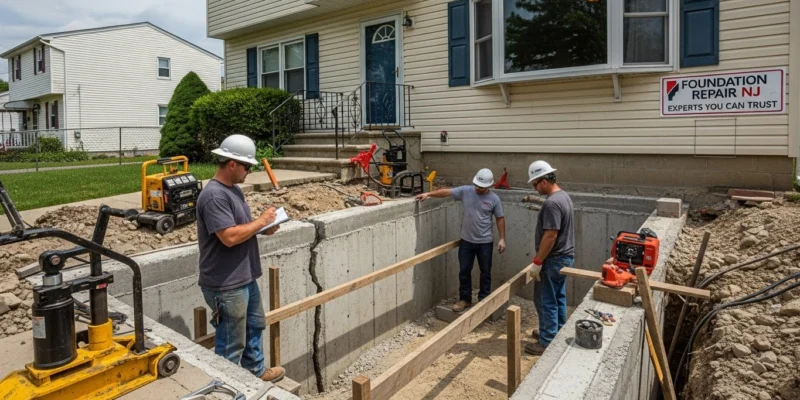
Foundation problems rarely occur suddenly; they develop gradually due to seasonal soil movement, weather conditions, and aging materials. Signs like cracks, sticking doors, or moisture eventually become noticeable, indicating the need for repairs. Understanding the process, knowing what to expect, and making informed decisions can help protect your home and investment. This guide highlights critical points to consider before proceeding with any foundation work in New Jersey.
Foundation Repair Is Not One-Size-Fits-All
Each home has unique underground conditions, primarily due to differing soil compositions across counties. Some houses are built on clay-based soils that expand and contract, while others may use older construction techniques. Because of these variations, no two foundation repair projects are identical.
Repairs may entail:
- Stabilizing the structure with piers or anchors
- Sealing cracks to prevent water intrusion
- Reinforcing crawlspaces or basement walls
- Improving drainage and moisture control
The appropriate approach depends on a thorough diagnosis, not guesswork.
A Professional Assessment Is Crucial
Before any repair work begins, a thorough inspection is essential. A reputable company will not depend solely on photographs—they will conduct an in-person evaluation and look for:
- Cracks in interior and exterior walls
- Signs of moisture or standing water
- Changes in floor elevation
- Soil pressure against basement walls
- Points of foundation settlement
- Crawlspace humidity and wood condition
A quality inspection will provide clarity about the cause of the issue, its duration, and the potential consequences if left untreated.
Price Estimates Can Vary—And Here’s Why
Homeowners are often surprised when one estimate is significantly higher than another. The cost of foundation repair depends on several factors, including:
- The severity of the damage
- Structural load-bearing requirements
- Whether excavation is necessary
- Local permitting and engineering considerations
- Long-term warranties and material quality
Typically, lower prices may stem from temporary fixes, while high-quality work focuses on long-term solutions that prevent future problems. If you’re reviewing options and speaking with foundation repair contractors in Bergen County, NJ, request written estimates that outline materials and scope to facilitate fair comparisons.
Water Is Often a Hidden Culprit
There is a strong connection between water and soil movement. Poor drainage around a home can lead to pressure accumulating against walls or beneath footings, weakening concrete and shifting the structure over time. Signs that moisture may be involved include:
- Damp odors in the basement
- Mold growth near floor joists
- Cracks that widen after heavy rain
- Soft or misaligned areas on the underside of floors
Many repairs need to address water issues first or simultaneously. This could involve installing French drains, sump pumps, improving exterior grading, or sealing systems after stabilization.
Permits, Codes, and New Jersey Regulations
Depending on the work required, certain repairs may need:
- Township permits
- Engineering reports
- Approval for structural reinforcement
Experienced contractors typically manage this process on behalf of homeowners. Be sure to ask:
- “Who handles the permits and engineering sign-off?”
- “Will you provide documents that I can show to future buyers?”
This proactive approach protects you when refinancing or selling your home later.
Not All Contractors Provide Long-Term Warranties
One critical question many homeowners overlook is whether the repairs come with a guarantee and for how long. Foundation work should be supported by written warranties, with some being transferable to future owners if you sell your home. Before selecting a company, inquire:
- “Do you offer a written warranty?”
- “Is it transferable?”
- “Does it cover both workmanship and materials?”
This transforms foundation work into a long-term investment rather than just an expense.
Choosing the Right Contractor
When comparing various foundation contractors NJ, it’s essential to select a team that prioritizes transparency. Look for companies that provide:
- Clear diagnostic explanations
- Visual proof of damage
- Multiple repair options, rather than just one
- Real project examples from your area
- No high-pressure sales tactics
A trustworthy company will take the time to explain everything before asking you to sign a contract.
Steps to Take Before Scheduling Repairs
Homeowners often hurry their decisions because structural issues seem urgent. Instead, consider taking the following steps:
- Document the visible issues—take photos of cracks, moisture, and changes over time.
- Prepare a list of questions for the professionals.
- Request 2–3 inspections to compare recommendations.
- Ask for a projected timeline and any expected disruption inside your home.
- Review financing or payment plans if needed.
Being well-prepared allows you to take control of the decision-making process rather than reacting based on stress or fear.
Repairing Your Foundation Is an Act of Protection
Your home is one of your most significant financial and emotional investments. Understanding the repair process, knowing the right questions to ask, and choosing trusted experts will help ensure that the repairs you make today last for decades. Foundation work is not just a necessary task; it’s a protective measure for your valuable investment.








Comments