
 By
By 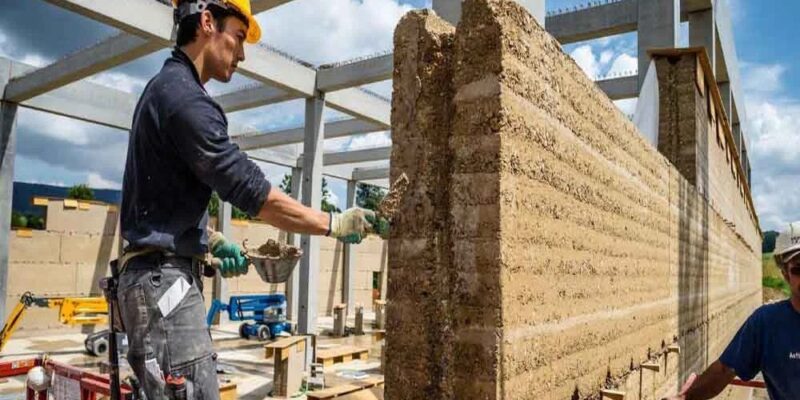
The future of building a foundation is changing fast. New ideas shape stronger and cleaner structures. Builders now seek better materials and smarter methods. The focus shifts to ecofriendly solutions. These changes support long term environmental goals. BSR Renovations follows these trends with care. Modern projects demand both strength and sustainability. Traditional methods still matter but new options improve results.
Low Carbon Concrete Options
Low carbon mixes reduce harmful emissions. They replace cement with safer materials. Fly ash and slag are common choices. These materials improve durability and reduce waste. So, builders use them in concrete foundations for better performance. The strength lasts. Production processes use less energy overall. This reduces project environmental impact. Many localities actively promote such materials. The change promotes greener construction worldwide. Pressure doesn’t fracture these combinations either. They work effectively in mixed weather. Sustainable concrete has become standard.
Construction with Recycled Aggregates
Recycled aggregates are useful. Old concrete is pulverized and reused. Reduces landfill waste and saves resources. Thus, recycled input demand rises. Builders mix them into foundation concrete with good results. The structural integrity remains strong and stable. Quality control ensures consistent performance in projects. Sometimes recycled materials even enhance durability slightly. This approach supports circular construction systems. BSR Renovations uses such methods where possible. Environmental benefits make this option highly attractive. It also lowers material costs in many cases. Reuse strategies now shape modern construction thinking.
Advanced Reinforcement Technologies
New reinforcement methods improve structural strength. Carbon fiber stands out among modern options. It is light yet extremely strong. Builders use it to reinforce weak sections. Structures gain higher resistance to stress. This method works well during foundation pouring stages. Installation is faster with fewer heavy tools required. The technology also reduces maintenance needs over time.
Smarter Foundation Design Methods
Modern design focuses on efficiency and precision. Digital tools help plan every detail carefully. Engineers analyze soil and load conditions early. Errors reduce during installing a foundation process. Components arrive ready for quick assembly on site. This saves labor and reduces material waste. BSR Renovations applies such advanced planning techniques. These methods improve reliability and project outcomes. Better design ensures longer lasting foundations overall.
Sustainable Slabs and Base Structures
Slab construction also evolves with new ideas. Thin slabs use less material but stay strong. Insulated designs improve energy efficiency greatly. So, builders prefer modern foundation slab solutions today. Permeable concrete allows water to pass through easily. This reduces surface runoff and supports drainage systems. Green building codes encourage these innovations strongly. A well-designed concrete slab supports long term stability. These slabs also adapt well to changing climates. Materials now balance strength with environmental care.
Conclusion
The future of foundation work looks promising. Eco friendly materials lead the transformation. New reinforcement methods improve strength and durability. Smart design tools enhance accuracy and efficiency. So, the industry moves toward cleaner practices steadily. Builders adopt solutions that reduce environmental impact. Innovation continues to drive meaningful progress forward.



Comments