
 By
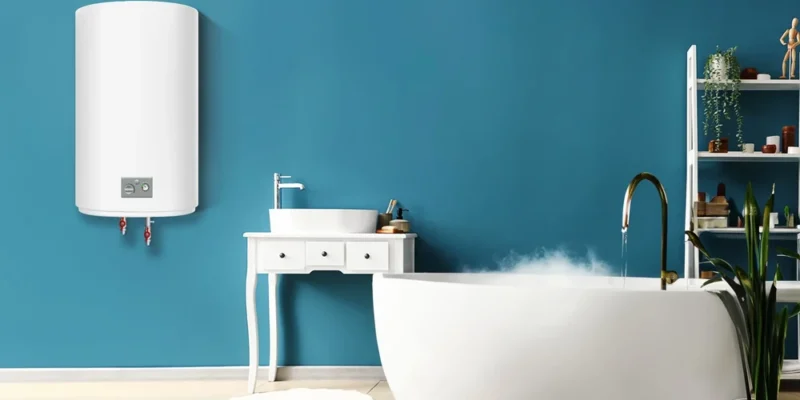
On a cold January morning in the Valley, with tule fog pressed against the garage door, plenty of homeowners hear it for the first time. A low rumble, then a few sharp pops, coming from the tank in the corner. Nothing is leaking and the showers are still hot, so it is easy to shrug off. That noise is often the first sign that minerals have been settling in the tank for years.
Modesto’s tap water is a blend of treated Tuolumne River water and groundwater pumped from local wells, and both carry a good load of calcium and magnesium. Hardness shifts by neighborhood and by season, but very few homes here get truly soft water. When that water is heated, the minerals drop out and collect at the bottom of the tank, and that slow buildup shapes almost everything about how long a water heater lasts.
Some of the care described here is easy to handle yourself, while other parts call for a licensed Modesto plumber who works on water heaters every week. cpplumbingdrain.com is one locally owned option, with more than seven years in the trade, pricing explained before any work starts, warranties tied to the specific job and phones answered at any hour of any day.
A tank water heater usually gives somewhere between eight and twelve years of service, and in hard water areas it tends to land closer to the short end. Where yours lands depends largely on what happens at each stage of its life.
Installation Day Decides More Than People Think
The first hour of a water heater’s life sets up the next decade. California requires tank heaters to be braced with two seismic straps, one in the upper third of the tank and one in the lower third, so it cannot topple and tear a gas line during an earthquake. A drain pan with a line to a safe spot is worth adding wherever a leak could ruin drywall or flooring.
Pressure matters just as much. Many homes have a pressure regulator or check valve at the meter, which makes the plumbing a closed system. When water heats, it expands and has nowhere to go, so the pressure inside the tank spikes every time the burner runs. A small expansion tank on the cold line absorbs that surge and spares the tank, valves and fittings a great deal of strain. If your relief valve drips now and then, missing expansion control is a likely reason.
This is also the moment to decide on water treatment. A softener protects the heater from scale, though softened water wears through the anode rod faster, which means a softened system still needs a periodic look inside.
The Early Years When Sediment Starts Settling In
Scale builds well before you can hear it. On a gas heater the burner sits under the tank, and a growing crust of minerals acts like a blanket between the flame and the water. The steel bottom runs hotter than it was designed to, water trapped under the crust flashes into steam, and that is where the popping comes from. On an electric heater the lower element gets buried in the sediment, overheats and eventually burns out.
Draining a few gallons from the valve at the bottom once a year carries away loose sediment before it hardens. A tank that has gone many years without a flush is a different matter. Opening that old plastic drain valve can leave it clogged with grit or dripping, so an older unit is better flushed by someone ready to replace the valve if it fails.
The Middle Years and the Rod Nobody Checks
Somewhere around years four to six, the anode rod becomes the most important part in the tank. It is a metal rod, usually magnesium or aluminum, that corrodes on purpose so the steel tank does not. Once it is eaten down to its core wire, the tank’s own lining starts to rust.
Checking the rod every few years and replacing it when it looks thin is one of the cheapest ways to add years to a heater. A rotten egg smell from the hot taps is a related clue. It usually comes from bacteria reacting with the rod, and a different rod material or a powered anode often clears it up.
This is also a good time to lift the lever on the temperature and pressure relief valve briefly. It should release a burst of hot water and then close firmly. A valve that will not open, or will not stop dripping, needs replacing, since it is the part that keeps an overheated tank from becoming dangerous.
Past the Ten Year Mark
Many repairs are perfectly reasonable on a heater of any age. A failed thermocouple, a worn element, a stuck gas valve or a bad thermostat can all be fixed. The tank itself cannot. Once it begins to leak, replacement is the only real answer.
A few signs say the end is close.
- Rusty or brownish water comes only from the hot side.
- Moisture or rust stains show up around the base or at the seams.
- The rumbling grows louder even after the tank is flushed.
- Hot water runs out noticeably faster than it used to.
- The date code in the serial number shows the heater is past twelve years old.
When two or three of these show up together, planning a replacement on your own schedule beats waking up to a flooded garage and a rushed decision.
Choosing What Takes the Old Tank’s Place
A new standard tank is the simplest swap, and it usually fits the same space, venting and gas line. Tankless units save floor space and never run out mid shower, but they suffer in hard water too. Scale coats their heat exchangers quickly, so a yearly descaling flush is part of owning one here, and many manufacturers expect proper water treatment or maintenance for the warranty to stay valid.
Heat pump water heaters deserve a serious look in this region. They pull warmth from the surrounding air, and a garage that bakes all summer gives them plenty to work with. Local incentives come and go, and a current list of heat pump water heater programs for Modesto includes a rebate from the irrigation district for homeowners replacing an electric tank with a qualifying unit. Electrical capacity, condensate drainage and some breathing room around the unit all need checking before you commit.
Whatever goes in, the same water will flow through it, so the lessons from the old tank carry straight over. Bracing it properly, controlling pressure, flushing it on schedule and checking the anode before it is spent can turn an eight year heater into one that keeps going well past its expected age. The rumble in the garage is far easier to prevent than to silence once it starts.





Comments