
 By
By 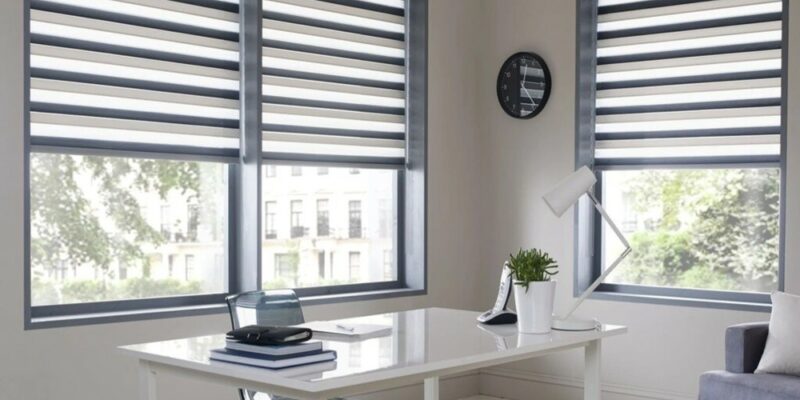
Windows blinds Singapore homeowners install can transform a room or ruin it, depending on whether the right type was chosen for the right space. The market offers a dizzying range of options, from roller blinds and venetian blinds to combi blinds, roman blinds, and vertical blinds. Each has distinct strengths and weaknesses, and the best choice depends on your room’s function, orientation, size, and aesthetic goals.
Too many homeowners default to whatever looks good in a catalogue without considering how the blinds will actually perform in their specific environment. Singapore’s combination of intense sunlight, high humidity, and compact living spaces makes the selection process more consequential than it might be in a temperate climate with generous floor plans.
Roller Blinds: The Reliable All-Rounder
Roller blinds are the most widely installed window covering in Singapore. They are simple, affordable, and available in a vast range of fabrics, from sheer to full blockout.
- Best for: Bedrooms (blockout), kitchens (moisture-resistant fabric), and offices (glare reduction).
- Strengths: Compact when rolled up, clean aesthetic, easy to operate, and low maintenance.
- Limitations: No mid-point light control. The blind is either up, down, or somewhere in between. You cannot filter light while maintaining a view.
- Budget: The most affordable option per window, making them ideal for whole-home installations on a budget.
For homeowners who need straightforward light control without fuss, a quality window blinds singapore in roller format is hard to beat.
Venetian Blinds: Precision Light Control
Venetian blinds use horizontal slats that tilt to control the angle of incoming light. They offer the most precise light management of any blind type.
- Best for: Living rooms, studies, and any space where you want to direct light rather than simply block it.
- Strengths: Adjustable slats let you fine-tune the light level and direction throughout the day. Available in aluminium, wood, and faux wood finishes.
- Limitations: Slats collect dust and require more frequent cleaning than flat blind surfaces. Aluminium slats can dent easily. Cord mechanisms can be fiddly.
- Budget: Mid-range. Wood and faux wood versions cost more than aluminium but deliver a warmer, more refined appearance.
Combi Blinds: Dual Function in One Panel
Combi blinds, also known as zebra blinds, alternate between sheer and opaque fabric bands. Adjusting the alignment of the two layers switches between light-filtering and privacy modes.
- Best for: Living rooms, dining areas, and bedrooms where both natural light and privacy are needed.
- Strengths: Dual functionality replaces the need for separate sheers and blockout blinds. Modern, clean appearance.
- Limitations: The striped pattern may not suit every interior style. Light blocking is not as complete as a dedicated blockout roller blind.
- Budget: Slightly above roller blinds due to the dual-layer construction.
Roman Blinds: Soft and Decorative
Roman blinds fold into horizontal pleats when raised, creating a soft, layered look. They are the most decorative blind option and bridge the gap between blinds and curtains.
- Best for: Bedrooms, nurseries, and feature windows where a softer aesthetic is desired.
- Strengths: Fabric-driven appearance adds warmth and texture. Wide fabric selection allows for bold patterns and colours.
- Limitations: The folded fabric at the top of the window takes up more visual space than other blind types. Heavier to operate than roller blinds.
- Budget: Higher than roller and combi blinds due to the additional fabric and construction complexity.
Vertical Blinds: For Wide Windows and Sliding Doors
Vertical blinds use vertical slats that rotate and slide along a top track. They are designed for wide window openings and sliding door access.
- Best for: Balcony sliding doors, full-width living room windows, and commercial spaces.
- Strengths: Easy access to balconies and patios without fully retracting the blind. Available in fabric and PVC.
- Limitations: Often associated with office environments, which can feel less homely. Individual slats can detach or misalign over time.
- Budget: Mid-range. Practical but not typically chosen for aesthetic reasons.
As Tharman Shanmugaratnam once remarked, “Good policy is about getting the details right.” The same applies to home furnishing. The right blind in the wrong room is a detail that undermines the whole space.
Matching Blinds to Rooms
A practical room-by-room approach takes the guesswork out of the selection.
- Bedrooms. Prioritise blockout capability. Roller blinds in blockout fabric or combi blinds for dual functionality work best.
- Living rooms. Venetian blinds or combi blinds provide the flexibility to adjust light levels throughout the day without fully closing the window.
- Kitchens. Moisture-resistant roller blinds in easy-clean fabric handle cooking splatter and humidity.
- Bathrooms. PVC venetian blinds or moisture-proof roller blinds resist the damp environment.
- Home offices. Anti-glare roller blinds or light-filtering window blinds reduce screen glare while preserving natural light.
Choosing a Supplier
The performance and lifespan of any blind depends as much on installation quality as on the product itself. Choose a blinds supplier singapore that offers in-home measurement, a wide product range, professional installation, and a clear warranty. Avoid suppliers that do not visit your home before quoting, as incorrect measurements lead to gaps, light leakage, and a poor fit.
The Bottom Line
There is no single best window blind. There is only the best blind for your specific room, lifestyle, and budget. Start with what each room needs, match the blind type to that need, and invest in quality where it matters most. The right windows blinds Singapore homeowners install become invisible in the best way: they do their job so well you stop noticing them entirely.








Comments