
 By
By 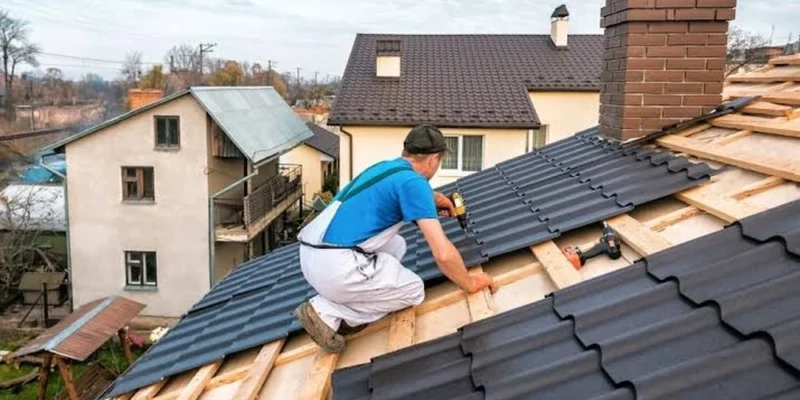
When a shingle comes loose or a small leak appears, homeowners often face a choice. Should they grab a ladder and attempt the fix themselves, or call in a professional roofing crew? The answer depends on several factors, including the scope of the damage, personal skill level, and the risks involved in working at height.
What DIY Repair Can Handle
Minor, surface level issues are sometimes within reach of a handy homeowner. Replacing a single cracked shingle, resealing a small area around a vent pipe, or clearing debris from gutters are tasks that do not require specialized training. With the right materials, a roofing sealant, replacement shingles, and basic tools, small cosmetic repairs can often be completed in an afternoon.
The Hidden Risks of Going It Alone
Roof work carries real physical danger. Falls from ladders and rooftops account for a significant number of home improvement injuries each year. Beyond personal safety, there is also the risk of making the problem worse. Walking on shingles incorrectly can crack them further, and improper sealant application can trap moisture rather than keep it out, leading to hidden rot that surfaces months later.
Diagnosing the Real Problem
One of the biggest challenges with DIY repair is correctly identifying the source of a leak. Water often travels along rafters or sheathing before dripping through the ceiling, meaning the visible damage indoors may be several feet away from the actual entry point on the roof. Professionals are trained to trace these paths accurately, while an inexperienced homeowner might patch the wrong spot entirely.
Tools and Materials Matter
Professional roofers use commercial grade materials and tools that are not always available at a local hardware store. Underlayment, flashing, and shingle adhesives used by trained crews are often built to withstand years of weather exposure, whereas consumer grade products may degrade faster under UV exposure and temperature swings.
Insurance and Warranty Considerations
Many roofing manufacturers require installation or repair by a certified contractor in order to keep product warranties valid. If you attempt a DIY fix and later need to file an insurance claim for storm damage, having documentation from a licensed professional can make the claims process smoother and more credible.
Cost Comparison
While DIY repair can save on labor costs upfront, mistakes often end up costing more in the long run. A poorly sealed patch that fails within a year means paying for materials twice, plus any additional interior damage caused by continued leaking. Professional repairs, though pricier initially, tend to come with workmanship guarantees that protect your investment.
When to Call a Professional
Larger repairs involving structural decking, extensive shingle replacement, flashing around chimneys, or valleys where two roof slopes meet should almost always be left to trained crews. These areas are more complex and mistakes here can lead to significant water intrusion.
Making the Right Choice
For small, low risk fixes, a confident DIYer with proper safety equipment can handle the job. For anything involving structural elements, steep pitches, or unclear leak sources, professional help is the safer and often more cost effective route. Specialists in asphalt roof repair bring the experience needed to diagnose issues accurately and complete repairs that hold up over time.
Ultimately, weighing your comfort level, the complexity of the damage, and the long term value of quality workmanship will help you decide the best path forward for your roof.
Safety Equipment Considerations
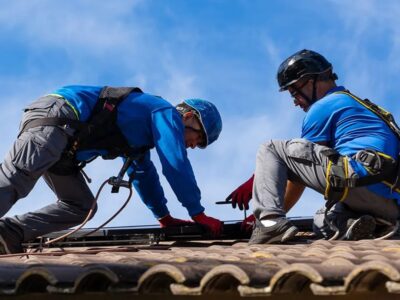
If you do decide to tackle a small repair yourself, proper safety gear is essential. A stable ladder, non slip footwear, a safety harness for steeper pitches, and someone to spot you from the ground all reduce the risk of injury. Skipping these precautions to save time is rarely worth the potential consequences of a fall.
Weather Timing for Repairs
Both DIY and professional repairs are best scheduled during dry, mild weather. Attempting a fix during or immediately after rain leaves shingles slick and increases fall risk, while extreme heat can make asphalt soft and prone to scuffing underfoot. Professionals often plan around forecasts to ensure materials cure properly and working conditions remain safe.
Long Term Peace of Mind
Beyond the immediate fix, professional repair work often comes with documentation and warranty coverage that DIY efforts simply cannot match. This paperwork can prove valuable down the road, whether for insurance purposes or when selling your home, giving buyers confidence that roofing issues were addressed by qualified professionals rather than patched informally.




Comments