
 By
By 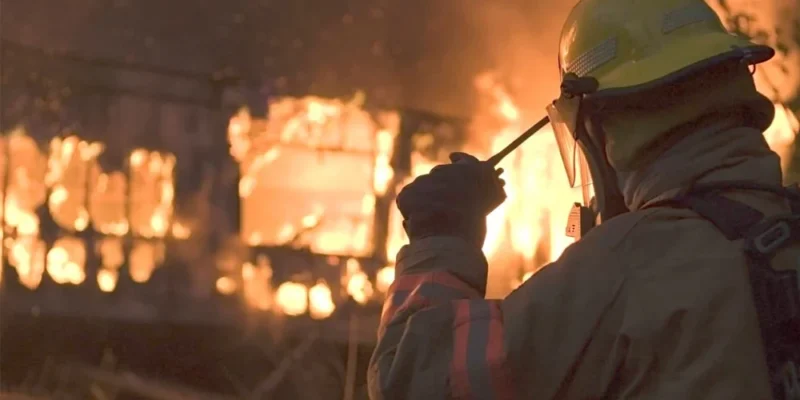
Introduction
Facilities must have a fire protection system to ensure the safety of employees, visitors and property. But sometimes there is a time when alarms, sprinklers, suppression equipment or other protection aren’t available. In these times, specific fire watching services can be a valuable extra security. Knowing when and why the fire watch service is required assists facility managers to take the appropriate action when there is a higher risk of fire.
For facilities dealing with elevated fire risks or temporary interruptions to their normal protection systems, professional monitoring can provide an important additional layer of safety fire watch services amarillo can help businesses maintain continuous observation when alarms, sprinklers, or suppression equipment are unavailable or when high-risk work is underway. Trained personnel can identify potential hazards early, follow established emergency procedures, and communicate concerns promptly to facility managers and emergency responders.
When Fire Watch Services Are Needed
Fire watch personnel may be required when a fire alarm system or a sprinkler system is in maintenance, is not functioning or is out of service at facilities. A fire watch might also be required in jobs involving construction and remodeling where normal protection systems are impacted. Hot work activities, like welding, cutting, soldering and grinding, can generate sparks and high heat. Fire watch staff, therefore, may be trained to keep track of these activities and surrounding areas for signs of ignition at facilities.
Other situations can involve power outages, water supply issues to fire suppression systems, temporary variances in building usage or conditions determined by fire safety authorities.
Continuous Hazard Monitoring
A major reason for having a fire watch service at facilities is that they can keep a constant watch. With trained staff making regular passes in different areas, they can monitor equipment and work activities, and detect smoke, sparks, flames, overheating equipment or combustible material.
By using regular monitoring, hazards can be discovered before becoming a serious incident. This is especially true when automatic detection or suppression systems are not used on the same level as usual.
Faster Emergency Response
Fire watch staff are trained in the signs to watch for and the procedures to follow in case of emergency. They can raise an alarm, call the emergency services, alert to responsible staff and assist with evacuation if fire is found.
Preventing the spread of fire and protecting occupants will be improved if action is taken early while wait for professional emergency responders.
Safeguarding People and Property.
Fires may result in injury, damage to property or equipment, disruption of operations, and expensive repairs. Dedicated fire watch enables facilities to further protect themselves during high-risk times.
They can be especially beneficial in areas like warehouses, manufacturing facilities, commercial buildings, construction sites, and other areas with flammable materials or equipment.
Supporting Safety Requirements
Fire watch may be required under local requirements and the conditions at hand if the fire protection systems are compromised or there are certain hazards present. Facilities can work with professional fire watch providers to create guidelines for fire monitoring and keep track of necessary documentation. The requirements must always be verified by the appropriate fire safety authority by facility managers.
Maintaining Documentation
Patrols, observations, hazards, incidents and corrective actions are usually documented by fire watch personnel. Detailed records will allow the facility managers to have information about the monitoring period, and show that the required procedures were observed.
Conclusion
Fire watch services are important when the fire protection system is temporarily impaired or fire hazards are increased at facilities. The trained fire watch person can offer essential protection through continuous monitoring, early hazard detection, emergency response, documentation and assistance with safety requirements. The risks in the facilities should be carefully considered and qualified people used when extra fire monitoring is needed.





Comments