
 By
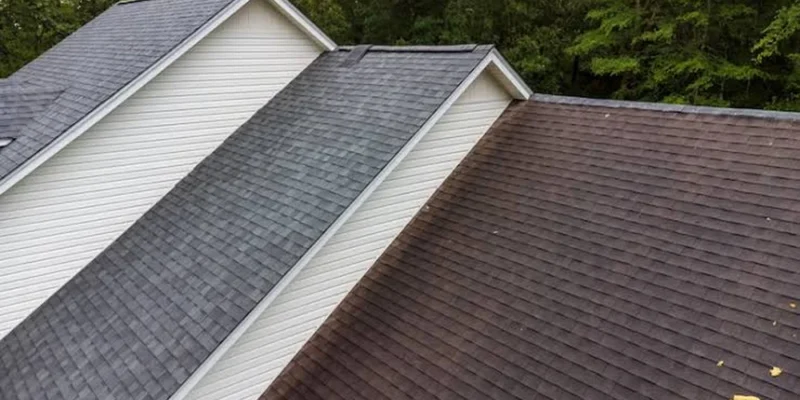
The letter tends to show up a few weeks before renewal, written in polite insurance language. It notes the year your roof went on and asks for either a replacement or proof that the roof still has life in it. For many homeowners in the Florida Panhandle, that letter is the first time they have heard that a roof can be judged by its birthday instead of its condition.
Along the Emerald Coast, from the pine country around DeFuniak Springs down to the beach towns on 30A, roofers like Mighty Oak Roofing now spend a real share of their inspection hours preparing remaining useful life certificates. A few years ago most homeowners had never heard of that document. Today it can decide whether a policy renews or quietly lapses into a scramble for new coverage.
What makes the certificate so useful is that it moves the question away from age and toward evidence. A well-kept roof that is 17 years old can be in better shape than a neglected one at 11. Florida law now gives homeowners a way to show that difference on paper.
Fifteen Years Is a Calendar Reading and Not a Diagnosis
The rule lives in Section 627.7011 of the Florida Statutes, which applies to homeowners’ policies issued or renewed since July 2022. An insurer cannot refuse to write or renew a policy solely because a roof is younger than 15 years. Once a roof crosses 15, the homeowner has the right to an inspection by an authorized inspector before the carrier can demand replacement. If that inspection finds at least five years of remaining useful life, the insurer cannot drop the policy on age alone.
The word “solely” carries a lot of weight here. A carrier can still decline coverage for other lawful underwriting reasons, such as visible damage, active leaks, or a roof type it does not insure. Mobile home policies sit outside this part of the law entirely. The inspection is also the homeowner’s expense, and the insurer gets a say in which inspectors it accepts, so it pays to call your agent before booking anyone.
How the Gulf Coast Ages a Roof Faster Than the Calendar
Panhandle roofs live a harder life than the averages printed on shingle packaging. Summer sun bakes the asphalt and drives off the oils that keep shingles flexible. Months of humidity feed the dark algae streaks you see on north-facing slopes. Closer to the water, salt air works on exposed fasteners, drip edge, and flashing, and the damage often starts where nobody looks.
Inland, the trouble is usually trees. Longleaf and slash pines drop straw that settles in valleys and behind chimneys, where it holds moisture against the roof for weeks. That damp mat softens shingle edges and can rot the decking beneath. Then there are the storms. Hurricane Michael in 2018 and Sally in 2020 put enormous wind loads on roofs across the region, and some of the lifted tabs and broken seal strips from those years were never fully addressed.
An inspector estimating remaining life is really reading this history off the surface of the roof.
What the Inspector Is Actually Measuring
A useful life estimate is not a guess. It comes from specific signs that tell a trained eye how fast the roof is wearing and how much reserve is left.
Asphalt Shingles
On shingle roofs, granule loss is the headline. Bare patches expose the asphalt to UV and speed up aging. Inspectors also look for brittle or curling tabs, failed seal strips, exposed nail heads, and cracked rubber boots around plumbing vents. A trip into the attic matters just as much, since dark stains on the decking or a spongy feel underfoot on the roof point to problems the shingles may be hiding.
Metal
Metal roofs usually pass with room to spare, but the details still count. On exposed fastener panels, the rubber washers under each screw dry out and crack long before the steel gives up. Inspectors check cut edges and laps for rust, look at seams on standing seam systems, and note any spots where dissimilar metals touch and corrode.
Tile
Tile can look nearly perfect while the real clock runs underneath. The underlayment below the tiles is what keeps water out, and it often wears out decades before the tile itself. Cracked or slipped tiles, deteriorating mortar at ridges and hips, and staining in the attic are the clues an inspector uses to judge how much life the underlayment has left.
Nudging a Borderline Roof Over the Line
Sometimes a roof lands close to the five year threshold. In those cases, targeted repairs completed before the final report can make an honest difference in the estimate. Common fixes that move the needle include the following.
- Replacing cracked pipe boots and resealing roof penetrations
- Repairing or replacing loose and rusted flashing at walls and chimneys
- Swapping out broken shingles or cracked tiles in isolated spots
- Clearing pine straw from valleys and gutters so water drains freely
- Correcting poor attic ventilation that is cooking the shingles from below
There is a limit to this, and a good inspector will say so plainly. Repairs can extend life where most of the roof is still sound. They cannot bring back a field of shingles that has lost its granules and gone brittle across every slope. If a contractor promises to repair a worn out roof into a passing grade, treat that as a warning sign.
Paperwork That Travels With the House
A remaining useful life certificate rarely works alone. Insurers on older homes often want a four point inspection as well, which reviews the roof alongside electrical, plumbing, and HVAC. A wind mitigation report can earn premium discounts by documenting roof deck attachment, roof to wall connections, and opening protection.
Proof of roof age matters too. Many disputes come down to which year the insurer has on file. A county permit record, a contractor invoice, or a manufacturer warranty registration can settle that quickly, so it is worth keeping those in one folder with dated photos of the roof. Buyers and lenders increasingly ask for the same documents, and sellers who have them ready tend to negotiate from a stronger position.
When the Honest Answer Is Fewer Than Five
Not every roof will pass, and a fair inspection that says so is still valuable. It gives you time to plan a replacement on your schedule instead of under a renewal deadline, gather quotes, and choose a material suited to coastal wind and sun. Metal and impact rated shingles have become popular choices in the region for that reason.
It also helps to know that Florida softened its old requirement that forced a full reroof once a quarter of a roof was damaged. Roofs built to the 2007 Florida Building Code or later can generally have the damaged section repaired instead. A new roof installed today will carry that advantage for its whole life, along with a fresh install date that resets the insurance conversation for well over a decade.
Whichever way the inspection goes, the outcome is the same kind of win. You stop arguing with a number on a policy and start making decisions based on what your roof is actually doing up there.
Comments