
 By
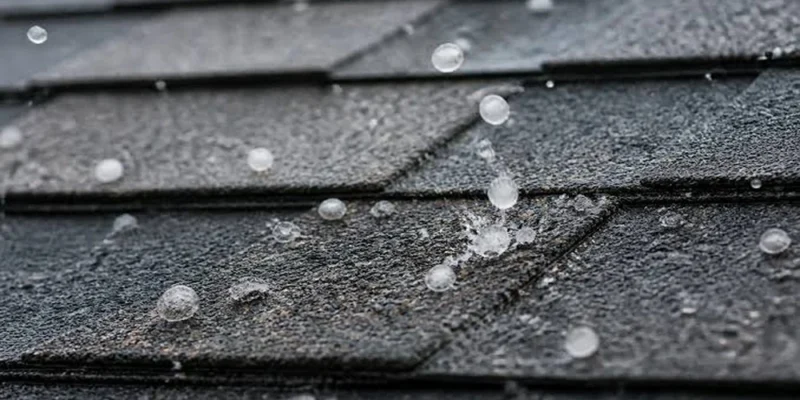
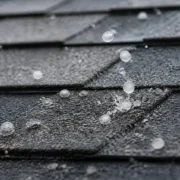
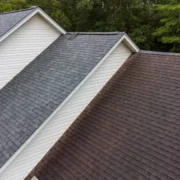
From the driveway, a roof that just took a hailstorm often looks fine. The lines are straight, nothing is missing, and the gutters still hang where they should. Up close the story changes. Small dark spots where granules were knocked loose, soft bruises in the shingle mat, a crease along a tab that the wind folded back, a dent in the flashing around a chimney. None of these show from the ground, yet each can let water in during the next rain or the next freeze.
That gap between what you see and what is actually there is why storm damage gets underestimated, especially on the older brick homes common across the region, where chimneys, parapet walls, and low slope rear additions add more places for water to slip through.
The First Hours After a Storm
Stay off the roof. Wet shingles, hidden deck damage, and debris make it dangerous, and most of what matters can be checked from the ground, through binoculars, or from inside the attic. Photograph anything you can see, including hail on the ground, dented gutters, and torn shingles in the yard.
If water is coming in, temporary protection comes first. A properly secured tarp over the damaged area, buckets under active drips, and moving belongings away from wet ceilings can limit the harm. Even a roof that looks intact deserves that care, since NOAA’s National Severe Storms Laboratory notes that hail can damage aircraft, homes and cars, and roofs take the first and hardest hits. Insurance terms for storm damage vary widely, so read your own policy before assuming how any claim will turn out.
When the damage needs a trained eye, the crew behind 314roofingstl.com works as a roofing company in Saint Louis that handles emergency roof repair when leaks can’t wait and a full roof inspection once the weather settles. If that inspection shows the roof is past patching, the team also takes on roof replacement and residential roofing for homes throughout the area. Visit the website to request roof help and get the next step lined up.
1. Shingle Bruising
Bruising: a soft, dark impact mark where hail has crushed the shingle mat underneath the surface. It often feels spongy when pressed, though only a roofer on the roof should be checking that.
A bruise may not leak right away. Over months, the weakened spot cracks, sheds granules, and lets water reach the underlayment. Call for an inspection soon after any hail event, even if no leak has appeared.
2. Granule Loss
Granule loss: patches where the protective mineral coating has been stripped away, exposing the black asphalt below. You may also notice granules collecting in gutters or at the base of downspouts.
Granules shield the asphalt from sunlight and help shed water. Once they are gone, that section ages much faster. Scattered loss after a storm is worth documenting and having assessed; heavy loss across whole slopes often points toward replacement rather than repair.
3. Lifted or Creased Shingles
Creasing: a straight horizontal line across a shingle tab where wind lifted it and folded it back. Lifted shingles may look slightly raised or uneven along a row.
A creased tab has usually lost its seal and its strength at the fold, so the next strong gust can tear it off completely. Missing shingles expose the deck, which turns this into an emergency repair if rain is in the forecast.
4. Flashing Damage
Flashing condition: the state of the metal strips that seal joints around chimneys, walls, vents, and valleys. Hail dents it, wind bends it, and aging sealant pulls away from brick.
Brick chimneys on older homes are a frequent trouble spot, since mortar joints and flashing both need to hold for the seal to work. Water entering here often shows up as stains near the chimney inside. Call a roofer as soon as you see bent metal or gaps.
5. Soft Spots in the Deck
Deck softness: areas where the plywood or plank sheathing under the shingles has absorbed water and lost stiffness. A roofer may feel it underfoot as give or sag.
This is rarely visible from the ground, but a slight dip in the roof line can be a clue. A soft deck cannot hold fasteners properly, so new shingles over it will not perform. It usually means sections of decking need replacing during the repair.
6. Ponding on a Low Slope Section
Ponding: water that sits in a low spot on a flat porch roof, rear addition, or garage instead of draining away. After a heavy storm, debris can block scuppers and make it worse.
Standing water stresses seams and adds weight to the roof structure. Hail can also puncture membranes in ways that are hard to see while water covers them. If water is still sitting there a couple of days after the rain, schedule an inspection.
7. Gutter and Downspout Damage
Gutter damage: dents, separated seams, sagging sections, or downspouts knocked loose by hail, wind, or falling limbs.
Damaged gutters dump water against brick walls and foundations, and dents on gutters are also a useful sign that the roof above took similar hits. Clear debris when it is safe to do so, and have bent or detached sections repaired before the next big rain.
8. Attic and Ceiling Clues
Interior signs: damp insulation, daylight through the roof boards, water stains on rafters, or fresh brown rings on upstairs ceilings.
These signs confirm that water is already getting past the roof. A spreading ceiling stain or active dripping calls for emergency roof repair and temporary protection right away, followed by a full inspection to trace the source.
How a Roof Inspection Is Carried Out
A thorough inspection usually starts on the ground, with the inspector reviewing gutters, siding, window screens, and outdoor surfaces for impact marks that show the storm’s direction and intensity. On the roof itself, each slope is checked for bruising, granule loss, creasing, and missing pieces, along with every flashing point and penetration. Low slope sections get a separate look at seams, drains, and the membrane surface. Many inspectors finish in the attic, checking decking and insulation for moisture that the exterior cannot reveal.
The result should be a clear account of what was found, photographs of the damage, and a recommendation on whether a repair will hold or the roof needs replacing. Paired with your own storm photos and a careful reading of your policy, that record puts you in a much stronger position than a quick glance from the driveway ever could.






Comments