
 By
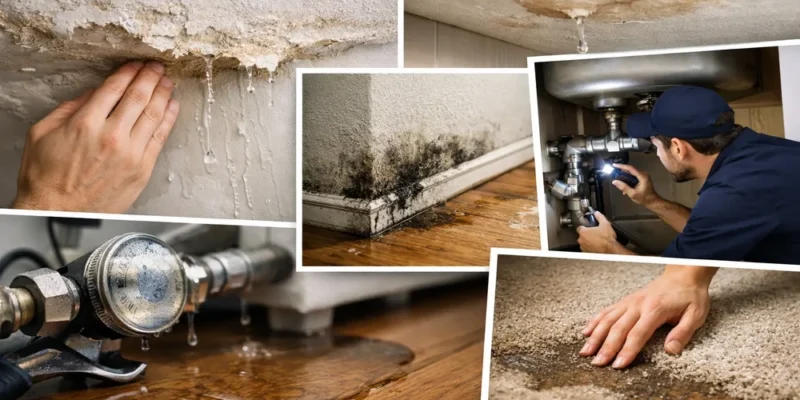
Imagine trying to find a pinhole in a garden hose that is buried under a metre of soil, concrete and tree roots. Not long ago, the only option was to dig and hope. Today, leak detection is closer to detective work, with sensitive instruments, careful measurement and a methodical process. Here is how the technology works and why it has changed the way hidden leaks are found.
The Problem With Traditional Digging
For decades, plumbers located buried leaks by following the wet ground and excavating. The approach is slow, disruptive and often inaccurate. Water does not always surface where the pipe has failed. It follows the path of least resistance through soil, gravel and trench backfill, so the damp patch you see may be a long way from the real break.
The result was often multiple holes, damaged landscaping, broken paths and a larger bill than the repair itself required.
Acoustic Listening: Hearing the Leak
Pressurised water escaping a pipe makes a distinctive sound, a hiss or rushing noise that travels along the pipe and through the surrounding ground. Acoustic equipment uses highly sensitive microphones and sensors to pick up these sounds, often at frequencies the human ear cannot detect.
Technicians place sensors at accessible points, such as taps, valves and the ground surface, and listen for the point where the noise is strongest. By moving along the pipe route, they can narrow the location to a small area. This method works especially well on pressurised supply lines.
Pipe Tracing and Locating
Before a leak can be found, the pipe itself must be located. Many properties have no accurate plans, and pipes may have been rerouted over the years. Electronic locators and tracing tools follow the path of buried lines so the technician knows exactly where to listen and, later, where to dig.
Thermal Imaging: Seeing Temperature Differences
A thermal camera detects differences in surface temperature. Water leaking into a wall, floor or slab can create cooler or warmer areas compared with the surrounding material. Thermal imaging does not show the leak itself, but it highlights suspicious zones for further investigation. It is particularly handy for checking floors and sub-floor areas without cutting into anything.
Moisture Meters and Pressure Testing
Moisture meters measure how much water is present in timber, plaster and other materials, helping to confirm whether a damp area is a one-off spill or a continuing problem. Pressure testing isolates a section of pipe, applies pressure and watches whether it holds. A drop in pressure confirms that water is escaping from that section.
Used together, these tools build a picture. One reading might be ambiguous, but several readings that agree make the diagnosis reliable.
Technology in Buried Pipe Work
When the problem is in the yard, driveway or beneath paving, professional underground water leak detection services combine acoustic listening with pipe tracing to pinpoint the break. The aim is to dig in one carefully chosen spot instead of opening the whole line, which keeps repair work targeted and limits disruption to your property.
Technology in Sub-Floor Investigations
Sub-floor spaces call for a slightly different toolkit. Moisture readings, thermal imaging and acoustic checks work together to reveal where water is escaping beneath a home. A proper under house water leak detection assessment can confirm whether a leak is feeding mould, damaging timber or affecting the structure, and it can do so without ripping up flooring.
Why Accuracy Matters
Precision is the real value of this equipment. When a technician can say that the leak is at a specific point along a specific line, the repair crew can go straight there. That saves labour, reduces damage and gives you a firm estimate rather than an open-ended project.
Accuracy also protects against fixing the wrong thing. Replacing a pipe that was never broken wastes money and leaves the actual leak running.
The Skill Behind the Tools
Equipment alone does not find leaks. Interpreting the readings requires training and experience. Background noise from traffic, other pipes and appliances can mask or mimic a leak signal. A skilled technician knows how to separate real findings from false alarms, repeat checks when needed and cross-confirm with a second method.
What to Expect From a Professional Visit
A typical visit starts with questions about your symptoms and water history, followed by a meter check to confirm a leak is present. The technician then uses the appropriate tools, narrows down the location and explains what they found. You should receive a clear explanation of the cause, the location and the recommended next steps.
Final Thoughts
Leak detection has moved from guesswork to measurement. Acoustic sensors, thermal cameras, moisture meters and pressure tests let professionals find hidden water loss quickly and with minimal disruption. If you suspect a leak, using these modern methods is almost always faster, cleaner and more economical than breaking ground and hoping for the best.





Comments