
 By
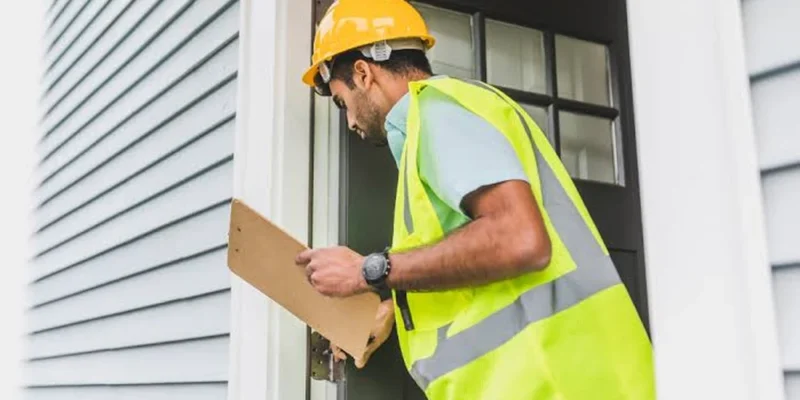
A property can look well maintained and still have problems that affect its safety, value, or future costs. A property condition assessment (PCA) gives owners, buyers, and property managers a clearer view of a building’s visible condition and anticipated repair needs.
An assessment typically reviews accessible building systems and components. The findings help you understand what may need attention, plan maintenance, and make more informed decisions about the property.
What Does a Property Condition Assessment Cover?
The scope depends on the property, its age, and the purpose of the assessment. An engineer generally reviews accessible areas and records observed deficiencies, along with recommendations for further evaluation where appropriate.
Building Systems and Components
A PCA may examine:
- Structural elements, including foundations and framing.
- Roofs, exterior walls, windows, and other parts of the building envelope.
- Heating, ventilation, and air conditioning systems.
- Electrical, plumbing, and life-safety systems.
- Interior areas and site features related to the property.
The assessment documents visible conditions at the time of the inspection. Concealed components may require separate testing or investigation.
How Does a PCA Help With Budgeting?
A property condition assessment can help identify repairs that need prompt attention and components that may require maintenance or replacement in the future. This information supports budgeting and capital planning, so owners can consider expected costs alongside other property priorities.
Findings may also help buyers evaluate a property before purchase. A clearer picture of building conditions can inform negotiations, due diligence, and planning for future improvements. The assessment does not guarantee that every defect will be found, especially when areas are inaccessible or concealed.
When Should You Arrange an Assessment?
Consider a PCA when buying or refinancing a commercial property, planning renovations, preparing a maintenance budget, or reviewing the condition of an existing building. It can also be useful when ownership or management responsibilities are changing.
For properties with structural concerns, a structural engineer NJ property owners hire can evaluate relevant components and recommend whether repairs or further investigation are needed. The assessment’s scope should match the questions you need answered.
How Is a PCA Different From an NJ Transition Study?
A property condition assessment focuses on observed building conditions and anticipated repair needs. An NJ transition study helps a community association plan for future capital expenses as it moves toward independent operation. The two studies address different planning needs, though both can help decision-makers understand upcoming responsibilities.
Get Clear Information for Your Next Decision
A well-scoped PCA turns inspection findings into practical information about a property’s condition and potential upkeep. Lockatong Engineering provides property condition assessments and engineering services to help owners make informed decisions about their buildings.








Comments