
 By
By 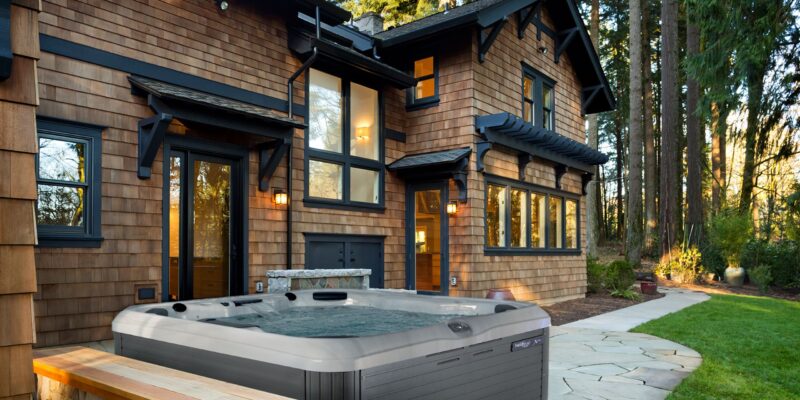
Most standard outdoor outlets in homes in Austin, Texas are 120-volt, 15- or 20-amp circuits. Many hot tubs, especially larger ones, require 240 volts and often a dedicated 30- or 50-amp circuit to operate safely and efficiently. That’s why your hot tub won’t work when plugged into a normal outdoor outlet—the outlet simply can’t supply enough voltage or current to power the heater, pumps, and jets simultaneously. Trying to run a hot tub on a standard 120V outlet can be dangerous, risking blown fuses, tripped breakers, or even electrical fires.
To install a 240V hot tub outlet, you’ll need a Licensed Residential Electrician In Austin TX. Here’s a step-by-step overview of how it’s usually done:
- Determine the Electrical Requirements:The hot tub’s manufacturer provides a specification sheet detailing the voltage, amperage, and wiring type needed. Most residential hot tubs in the U.S. require either a 240V, 30-50 amp circuit.
- Install a Dedicated Circuit from the Main Panel:Your residential electrician in Austin TX will run a dedicated circuit from your main electrical panel to the hot tub location. This involves installing the proper gauge wire for the amperage required and a compatible double-pole breaker in your panel.
- Install a Weatherproof Disconnect or Receptacle:Electrical codes in Texas and the U.S. require a disconnecting means within sight of the hot tub. This could be a hardwired disconnect box or a 240V GFCI (Ground Fault Circuit Interrupter) outlet specifically rated for outdoor, wet-area use. The GFCI protects you from electrical shocks if water comes into contact with live electricity.
- Use Proper Outdoor-Rated Conduit and Boxes:All wiring must be run in outdoor-rated conduit and housed in weatherproof boxes. This ensures the wiring is protected from rain, sun exposure, and physical damage. The disconnect or outlet should also have a gasketed, lockable cover that keeps rain and debris out.
- Bonding and Grounding:Hot tubs require proper bonding and grounding to prevent electric shock. The metal frame of the hot tub and all associated electrical components must be bonded according to NEC (National Electrical Code) requirements.
- Inspection:In Austin, like in most Texas cities, a city or county electrical inspection is typically required before the circuit can be energized. The inspection ensures the work meets local codes and is safe for long-term use.
Once installed, the hot tub can safely operate even during heavy storms if all weatherproofing and grounding are done correctly. Most hot tub disconnects and boxes are rated for rain and UV exposure, and when combined with GFCI protection, the system minimizes risk from electrical faults or lightning strikes.
Because there are significant safety concerns with electricity and water, and because Austin’s storms can bring heavy rain and lightning, this is not a DIY project. A licensed residential electrician in Austin TX will make sure everything is up to code, properly weatherproofed, and safe for daily use.
If you want, I can also outline the different types of 240V connections for hot tubs, including subpanel installations versus plug-in configurations, and which one might be best for your Austin backyard setup. Do you want me to do that?
For a hot tub, this isn’t the kind of project where “handy friends” can safely substitute for a licensed professional. Here’s why it’s important to call a licensed residential electrician in Austin, Texas:
- High Voltage and High Amperage:Most hot tubs require 240 volts and 30–50 amps. That’s a lot more electricity than standard outlets handle. Mistakes with wiring, breaker sizing, or grounding could result in electric shock, fire, or damage to your home’s electrical system. Even a small error could be deadly, especially since water and electricity are involved.
- Code Compliance and Permits:Austin, like the rest of Texas, requires that a hot tub circuit be installed according to the National Electrical Code (NEC) and local building codes. A licensed residential electrician in Austin TX knows exactly how to run the wiring, install the correct GFCI-protected disconnect, and size the breaker properly. DIY installations by non-licensed individuals may fail inspection or even void your homeowner’s insurance if something goes wrong.
- Weatherproofing and Safety:Outdoor installations need proper conduit, weatherproof boxes, and bonding. These aren’t just suggestions—they are legal and safety requirements. A licensed residential electrician in Austin TX will make sure everything is protected against rain, UV, and even potential lightning strikes, which is especially important given Austin’s frequent storms.
- Long-Term Reliability:A professionally installed hot tub is less likely to develop electrical problems over time. If something goes wrong with a DIY installation, repairs can be expensive, and you might face safety hazards until it’s corrected.
- Warranty Considerations:Many hot tub manufacturers require a professional installation for the warranty to remain valid. Having friends install it could void your warranty if electrical damage occurs.
In short, this is one area where saving money upfront is not worth the risk. Having a licensed residential electrician in Austin TX install your hot tub ensures it’s safe, code-compliant, weatherproof, and backed by professional liability if something goes wrong.
If you want, I can break down what a professional hot tub installation typically costs in Austin and what factors influence the price, so you’ll know what to expect before calling an electrician. Do you want me to do that?









Comments