
 By
By 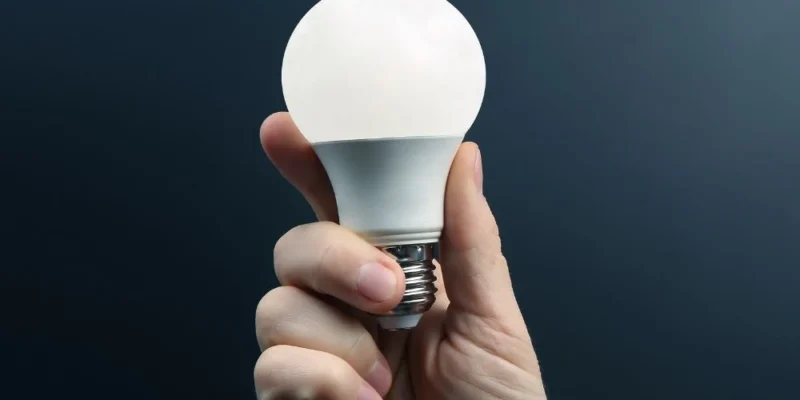
Mood-sensitive lighting refers to LED systems that adjust brightness, color temperature, and tone in response to physiological or behavioral stress indicators. In Cardiff, where many residents balance city-center work routines with quieter suburban living, lighting that responds to emotional state is becoming a practical wellness feature rather than a design novelty.
These systems integrate with wearable devices, smartphone apps, or smart home hubs to interpret signals such as heart rate variability, sleep patterns, and activity levels, then adjust lighting to support calm or alertness as needed.
Unlike static smart bulbs, mood-sensitive LEDs work continuously in the background, adapting throughout the day to align indoor environments with changing stress levels and energy demands.
Why Cardiff Homes Benefit from Stress-Responsive Lighting
Cardiff’s mix of coastal weather patterns, shorter winter daylight hours, and fast-growing professional districts can influence daily stress and fatigue. Lighting that compensates for environmental and emotional fluctuations can improve comfort and productivity indoors.
Key local advantages include:
- Support during darker months: Warmer, softer evening lighting helps counteract early sunsets common in Cardiff winters.
- Improved focus for home offices: Cooler, higher-intensity light during work hours in areas like Canton or Roath supports alertness without harsh glare.
- Better sleep transitions: Gradual dimming and warmer hues in the evening encourage healthier sleep cycles, especially in busy urban households.
How Stress Detection Works with LED Systems
Mood-sensitive lighting does not “read emotions” directly. Instead, it analyzes physiological and behavioral data that often correlate with stress or relaxation. Common inputs include:
- Heart rate variability from fitness bands or smartwatches
- Sleep quality data from connected health apps
- Movement patterns detected by in-home sensors
- Manual mood check-ins through mobile applications
When elevated stress indicators are detected, lighting shifts to settings known to reduce visual strain and nervous system stimulation, such as lower brightness and warmer tones. During low-stress or high-energy periods, lighting can gradually transition to brighter, cooler shades to support activity.
Practical Room-by-Room Applications in Cardiff Residences
Effective mood-sensitive lighting is designed with room function and local lifestyle patterns in mind.
Living Rooms
- Soft amber lighting during evening relaxation after work in Cardiff Bay or the city center
- Subtle brightness increases during social gatherings to maintain comfort without overstimulation
Bedrooms
- Automatic dimming when sleep-tracking apps detect restlessness
- Morning light simulations to ease waking during darker seasons
Home Offices
- Adaptive brightness during high-concentration periods
- Reduced blue-light output when stress indicators rise to prevent eye fatigue
Installation and Integration Considerations
Cardiff homeowners often live in a mix of historic terraces and modern developments, making flexibility important when selecting lighting systems. Most mood-sensitive LED setups can be installed without rewiring, relying instead on smart bulbs, LED strips, and wireless controls.
Important planning points include:
- Compatibility with existing smart home platforms
- Secure data handling for health-related inputs
- Zoning controls to prevent whole-house brightness changes
- Manual override options for personal preference
Professional installers in Cardiff are increasingly familiar with wellness-based lighting design, particularly in renovation projects where comfort and energy efficiency are priorities.
Long-Term Benefits Beyond Comfort
While immediate stress relief is a key benefit, mood-sensitive lighting also contributes to sustained wellbeing and energy management.
Notable long-term advantages:
- Reduced reliance on artificial stimulants such as excessive screen time
- Improved sleep regularity across changing work schedules
- Lower electricity use through responsive dimming strategies
- Enhanced property appeal for future buyers seeking wellness features
Key Takeaway: A Smarter Way to Shape Indoor Atmosphere
Mood-sensitive LED lighting represents a shift from decorative smart lighting to health-supportive environmental design. For Cardiff households seeking greater comfort without major structural changes, these systems provide a responsive layer of control that works quietly in the background.
By aligning indoor light with personal stress levels, homes become more than shelter, they become active participants in supporting balance, focus, and recovery throughout the day.







Comments