
 By
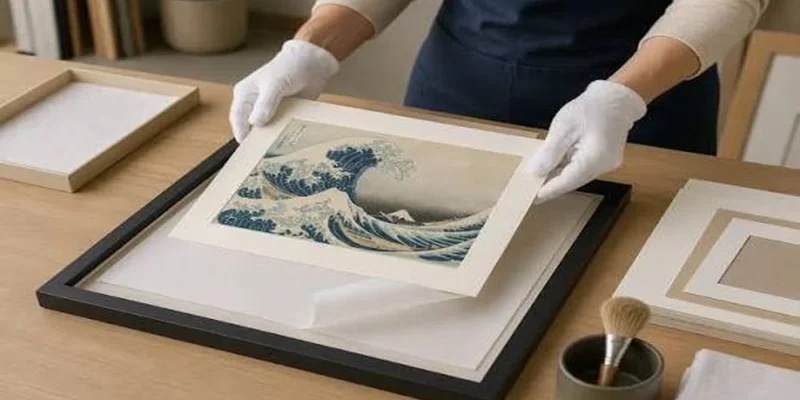
The way you choose to frame your art will affect what it looks like on your walls. There are different types of frames: some are very noticeable (bold) around the edges of the artwork, whereas other frames allow for the artwork to be the centre of attention. A floating frame creates an updated look with no visible hardware and therefore gives the impression that the artwork is hanging within the frame.
This style is a favourite among artists, collectors, and homeowners who would like to show off their art without obscuring the edges. What distinguishes a floating frame, and which types of frames are most suitable for use with a floating frame?
What Is a Custom Floating Frame?
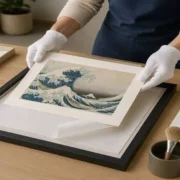
A float frame leaves a space around the edge of the artwork so that the image appears to be “floating” in the frame.
Unlike traditional frames that may partially cover the outer borders of your print/canvas, with floating frames the entire piece of art is allowed to show.
The size, depth, and overall appearance of a custom floating frame are designed specifically for the art that it will contain. The space between the frame and the artwork can be altered to produce the desired visual impact.
The use of floating frames is very common today, especially with respect to the design of modern interiors and with regard to the display of contemporary artwork.
Which Artworks Suit Floating Frames?
All artwork is different and requires a specific kind of framing. Floating frames are particularly effective when the piece has a visible edge or looks three-dimensional.
Canvas Paintings
The canvas painting is a very popular choice when selecting a style of floating frame. A nice clean edge can be created with the space around the canvas; however, the painted edges will still be on display.
The technique is also effective on gallery-wrapped canvas, as the image continues onto the side edges of the canvas.
Abstract and Contemporary Art
Abstract art has many times had strong colour, shape, and texture. A floating frame provides a very basic outline that doesn’t draw away from the detail within the art itself.
Black, white and natural timber frames are popular options.
Photography and Printed Artwork
Certain images or prints are appropriate for use with floating style framing techniques. The type of mounting used will be essential to make sure your image is safe and secure in place and that it has adequate support.
Why Professional Framing Matters
Correct measuring and proper attachment to the wall will ensure you get the best results. A wrong-size frame could result in the art being unstable and/or cause a uneven spacing between the art and the wall.
Professional framing in Melbourne will assist you in selecting the correct materials, colours, and size of frames to complement your work.
As well as providing advice about the protective material to use, a professional will also suggest the most appropriate way of displaying your artwork, particularly if it is very valuable or delicate.
Give Your Artwork a Modern Finish
Floating frames provide a creative way to display art, and they are also used to enhance the visual appeal of an image by creating some space between the image and the surrounding area. Floating frames help create a professional look for your images while providing a clean and balanced look.
Whether you have a custom floating frame for your canvas painting, abstract art or favourite photo, it will highlight the most attractive parts of that item.
Professional framing in Melbourne will help you display your artwork with style, while protecting it from damage, either at home or in the workplace.




Comments