
 By
By 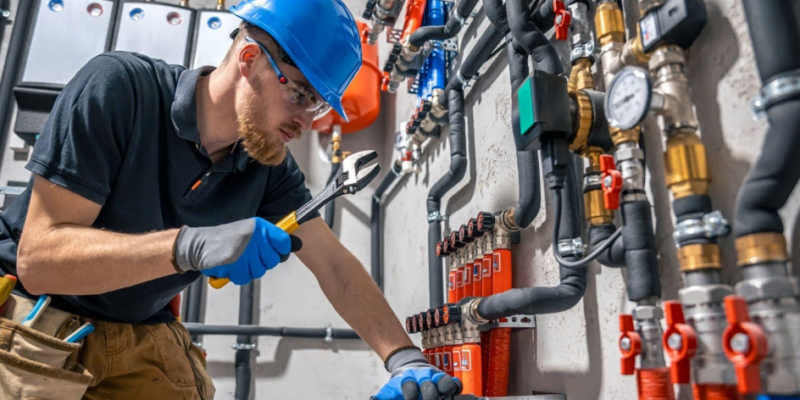
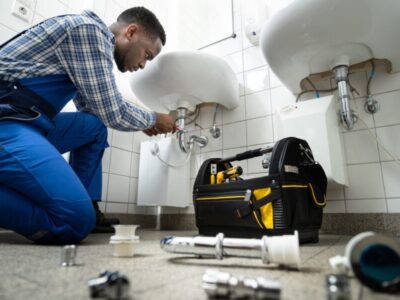
Plumbing is one of those things business owners stop ignoring the moment it fails them. A blocked drain on a Saturday lunch rush, a burst pipe hiding behind a tiled wall, or a hot water system that quietly gives up during peak season — none of these are small problems. They close kitchens. They empty floors. They bring inspectors.Commercial plumbing in Gold Coast sits in a completely different category from residential work, and the businesses that understand this early tend to avoid the ones that learn it the hard way.
Residential Plumbers Are Out of Their Depth Here
Smaller business owners often call a residential plumber first. Cheaper, usually available sooner, seems like the practical move. The trouble is that commercial systems involve backflow prevention assemblies, TMV valves, and staged hot water reticulation setups that domestic plumbers rarely touch. It is not a skill gap that a capable tradie can just wing. Getting these wrong does not only mean a failed inspection — it can mean contaminated water reaching staff or customers. That is the kind of liability a business does not walk back from easily.
The Drain Problem Nobody Talks About
The Gold Coast’s coastal soil moves. It contracts during dry spells and swells after rain, and older commercial buildings — particularly those predating major infrastructure works — often sit on clay drainage pipes that have spent decades slowly cracking and misaligning underground. Business owners notice slow drains. They pour something down, it clears temporarily, they move on. What they do not see is the partially collapsed line sitting beneath their cool room or car park. Commercial plumbers on the Gold Coast run CCTV cameras through these lines not because it looks impressive, but because there is genuinely no other way to know what is happening down there without tearing something up.
Grease Traps Are a Compliance Trap
Food businesses are required to have grease traps serviced at intervals set by Gold Coast City Council, and those intervals are not suggestions. Inspectors do check. An overflowing or neglected trap can trigger a notice to rectify with trading conditions attached — meaning the business cannot operate normally until the issue is resolved. What catches many cafe and restaurant owners off guard is that the servicing schedule should actually reflect the trap’s real accumulation rate, not just a date on a calendar. A commercial plumber who understands this helps operators stay ahead of compliance rather than rushing to catch up after a notice arrives.
Hot Water Is a Legal Requirement, Not a Luxury
Queensland Health regulations require certain commercial premises to deliver hot water at temperatures that prevent Legionella growth in storage, while also tempering it at the outlet to avoid scalding. That balance requires thermostatic mixing valves matched correctly to the building’s pressure and usage patterns. It is not a one-size fitting. Get it wrong and the water is either a scalding risk or a Legionella risk — two outcomes that sit at opposite ends of the temperature dial. This is where quality commercial plumbing on the Gold Coast goes beyond fixing things — it is about building systems that protect everyone inside the building.
Pipe Relining Saves More Than You Think
Damaged sewer or stormwater pipes in older commercial buildings used to mean one thing — excavation. Pull up the pavement, break through the tiles, get to the pipe. Pipe relining changed this. A structural resin liner goes in through an existing access point, gets inflated against the pipe walls, cures in place, and creates essentially a new pipe inside the old one. For a restaurant that cannot have its floor broken up mid-trading, or a multi-storey building where the damaged line runs beneath a load-bearing slab, this is not a fancy upgrade. It is often the only repair that makes practical sense.
After-Hours Breakdowns Hit Differently
A burst pipe late at night in a home is a stressful evening. The same event in a commercial kitchen, a strata retail complex, or a building with shared tenancies is a different situation entirely. Water travels further. More people are affected. Liability questions start immediately. There is a real difference between a commercial plumbing operator who offers genuine emergency response and one who has an answering service that books a job for the next morning. Most business owners only appreciate that distinction after it matters, which is exactly the wrong time to find out.
Conclusion
The plumbing inside a commercial building carries more responsibility than it gets credit for. Legally, operationally, hygienically. Commercial plumbing in Gold Coast means working with systems that need to be built right, maintained on a schedule that reflects actual use, and looked after by tradespeople who understand what is at stake when a building is serving the public. The businesses that take it seriously are rarely the ones dealing with council notices or insurance disputes. They are just the ones that keep running — quietly, reliably, as they should.






Comments