
 By
By 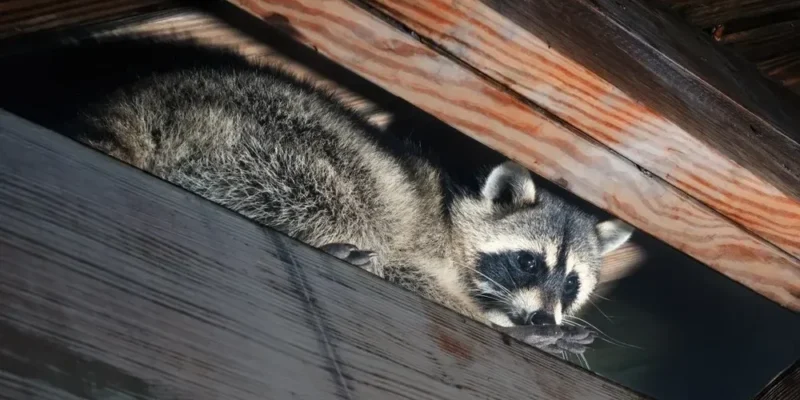
A strange scratching above your ceiling may seem like a small nuisance, but what happens after the animals leave can present much bigger problems than you might expect. Long after wildlife has made its exit, silent threats can linger in your attic, threatening both your home and your health in ways that often go unnoticed.
What Happens When Wildlife Invades Your Attic?
Wildlife intrusion is more common than most homeowners realize. From curious raccoons and squirrels to opportunistic mice and bats, attics offer a warm, safe haven for many species.
Common Types of Wildlife Intruders
Raccoons, squirrels, mice, birds, and bats top the list of attic invaders. Each brings its own set of problems, but all have one thing in common: they leave contamination behind.
How Animals Affect Attic Structures and Insulation
These animals rarely come alone. They gnaw through insulation, tear up vapor barriers, and frequently create nests. Over time, this disrupts the attic’s ability to regulate temperature, leading to higher energy bills and making your home less comfortable.
Why Is Attic Contamination a Hidden Danger?
What you can’t see after an animal leaves is often more serious than what you can.
Pathogens and Parasites Brought by Wildlife
Feces and urine from wildlife are loaded with pathogens, including bacteria, viruses, and even fungi that can cause disease. Many animals are also hosts to parasites like ticks, fleas, and lice. These tiny hitchhikers can spread throughout your home, biting pets and people.
The Role of Urine and Feces in Spreading Contamination
Animal waste doesn’t just make a mess; it seeps into wood, insulation, and other materials. This creates the perfect breeding ground for bacteria and fungi. In addition, pheromones in urine are undetectable to humans but can attract more wildlife, or even predators drawn by the scent.
How Animal Pheromones Attract More Wildlife or Predators
Once an animal marks your attic, the scent can linger for months. Other animals may be attracted by these pheromones, leading to repeat invasions and compounding the contamination problem.
What Health Risks Arise from Attic Contamination?
Exposure to contaminated attic spaces brings a surprising array of health hazards.
Mold Growth Triggered by Wildlife Intrusion and Water Damage
When insulation is dampened by water or soaked with animal urine, mold can begin to grow within days. Some species of mold produce spores that are particularly hazardous when inhaled.
Respiratory and Allergic Symptoms Linked to Contaminated Attics
Symptoms triggered by attic contamination often mimic common illnesses: eye and throat irritation, nasal discharge, coughing, wheezing, and even increased asthma attacks. In severe cases, chronic headaches and fatigue can occur, especially if exposure continues over time.
Long-Term Consequences of Ignoring Attic Contamination
Left unchecked, contaminated attics can undermine your home’s structure and air quality. Persistent mold or bacterial growth can force expensive repairs and may even make parts of your home uninhabitable.
How Is Attic Contamination Detected?
Spotting the warning signs early is key to minimizing damage.
Signs of Wildlife Presence and Contamination
Unusual noises at night, droppings, foul odors, and trails in dust are commons signs. You may also notice insulation that’s been pulled apart or dark, stained patches on wooden beams.
Identifying Mold and Insulation Damage
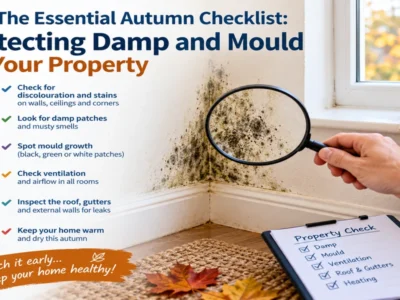
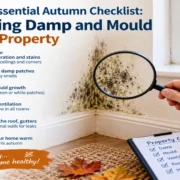
Look for discolored or matted insulation, along with areas that feel damp or musty. Black, green, or white spots along rafters or insulation are signs that mold is taking root.
When to Call a Professional for Inspection
If you notice any of these warning signs, it’s best to involve a professional. Attempting to clean up animal waste or mold on your own can put your health at risk.
What Does Professional Attic Decontamination Involve?
Serious contamination warrants a thorough, multi-step approach.
Steps to Safely Remove Animal Waste and Contaminants
Experts start by carefully removing all insulation and debris contaminated by urine or feces. This process is meticulous, ensuring no hazardous material is left behind.
Techniques for Treating Urine-Impregnated Materials
Any wood or structural element saturated with urine receives a treatment using fine-mist atomizers that deliver disinfectants deep into cracks and crevices, neutralizing pathogens and odors.
Use of Disinfectants and Deodorizers in Attic Spaces
After physical cleaning, professional teams deodorize and sanitize using specialized products, ensuring the attic is safe and free of lingering scents that might invite new intruders.
How Is Insulation Restored After Wildlife Intrusion?
The extent of restoration depends on the damage found.
Criteria for Partial vs. Complete Insulation Replacement
If most of the insulation is compromised, a full replacement is necessary. For localized contamination, partial replacement may suffice.
Methods for Removing Contaminated Insulation
Removal is typically done by hand, using protective gear to avoid spreading contaminants.
Ensuring Long-Term Protection Against Future Contamination
After replacement, professionals often recommend additional measures like vapor barriers and wildlife-proofing to prevent recurrence.
How Can Homeowners Prevent Future Wildlife Intrusions?
Prevention is your best defense.
Sealing Entry Points and Regular Attic Maintenance
Carefully inspect for gaps, broken vents, or weak points in your roofline. Seal them and check your attic at least annually.
Environmental and Structural Deterrents
Trimming trees near your roof, installing vent screens, and keeping food sources away from your home all help deter wildlife.
When to Schedule Routine Inspections
A yearly inspection, especially after a known intrusion, can catch problems before they worsen.
Who Should You Contact for Attic Contamination Issues?
Finding the right help ensures safe, thorough remediation.
Choosing Qualified Decontamination and Insulation Experts
Look for teams experienced in both wildlife removal and hazardous material handling. They should be able to explain their cleaning and restoration process in detail.
Questions to Ask Before Hiring a Service Provider
– Are your technicians certified for mold and biohazard remediation?
– What specific treatments do you use for contaminated materials?
– Do you provide follow-up inspections?
Available Resources and Support for Homeowners
Expert resources like Insulation Services attic decontamination can provide not only immediate remediation but also guidance for preventing future incidents. When it comes to attic contamination, acting fast and enlisting the right expertise can safeguard both your home and health.




Comments