
 By
By 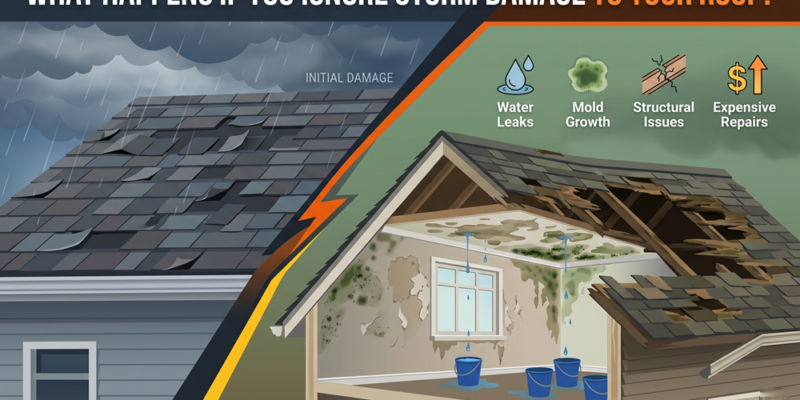
After a major storm rolls through the Chicago area, most homeowners do a quick visual scan of the yard, note the fallen branches, maybe check the basement, and move on. The roof gets a glance from the driveway, looks roughly the same as before, and gets no further attention. It is an understandable response. Roof damage is not always visible from the ground, and without an obvious problem demanding immediate action, it is easy to defer.
That deferral is where the real cost begins. Storm damage that goes uninspected and unaddressed does not stay static. It compounds over time in ways that significantly exceed the original cost of repairs, and in some cases, it voids the insurance coverage that would have paid for those repairs in the first place.
The Immediate Damage You Cannot Always See
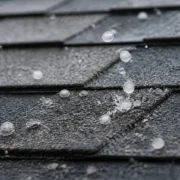
Hail impacts, which are extremely common in Chicago-area storms, leave impressions in asphalt shingles that are not visible from street level. Each impact point displaces granules and creates a micro-fracture in the asphalt layer. The shingle looks intact from a distance. From directly above, and under the right light conditions, the damage is visible as dark circular marks where the protective surface has been broken. Over the months following a hail event, these impact points become entry points for water, and the degradation accelerates.
High winds cause a different type of damage. Wind lifts shingles at the edges and at the ridge, breaking the adhesive seal strips that hold them flat. A shingle that has been lifted and reseated looks identical from the ground to one that was never disturbed. The difference is that the seal is compromised, and even moderate rain events afterward can drive water underneath. LEN Roofing conducts thorough post-storm inspections across the Chicago area and can identify both hail impact damage and wind-lifted shingles that would otherwise go unnoticed until water damage appears inside the home.
What Develops Over the Following Weeks and Months
Once water has a pathway through the roofing system, the sequence of damage is predictable. Water reaching the decking creates conditions for wood rot and mould growth within the structural sheathing. Depending on attic ventilation and insulation conditions, this progression can take weeks or months to become visible inside the home. By the time a stain appears on the ceiling or a homeowner smells mould in the attic, the damage has already moved well beyond the roof surface.
Ice dam formation is another consequence that emerges in winter following storm damage. Compromised shingles and damaged underlayment allow heat to escape the attic unevenly, creating the temperature differential that produces ice dams at the eaves. Homeowners who experience significant ice dam problems in the winter following a fall storm often find the two are directly connected.
The Insurance Complication
Most homeowner’s insurance policies cover storm damage to roofing materials, but they include provisions that limit or eliminate coverage when damage is not reported within a reasonable timeframe or when the condition is found to have worsened due to neglect after the event. Insurers distinguish between the original storm damage and the secondary damage that accumulated because no action was taken. The original event may be covered. The rotted decking, the interior water damage, and the structural repairs caused by months of unaddressed water intrusion may not be.
Filing a claim several months after a storm, particularly without documentation of the roof’s condition immediately after the event, puts the homeowner in a difficult position when the adjuster determines that a portion of the damage is attributable to deferred maintenance rather than the storm itself.
Why Acting Quickly Costs Less
A post-storm inspection that identifies missing shingles, broken seals, or impact damage costs very little compared to the repairs that become necessary once water has entered the system. Replacing a handful of shingles and resealing lifted edges is a straightforward job. Replacing rotted decking, remediating mould in the attic, and repairing interior ceilings is a project of an entirely different scale and cost.
If your home was in the path of a recent storm, getting an inspection on the books quickly is the right move regardless of what the roof looks like from the street. Reviewing the full scope of available roof repair and replacement services is a useful starting point, and having the damage documented professionally protects your insurance position at the same time.







Comments