
 By
By 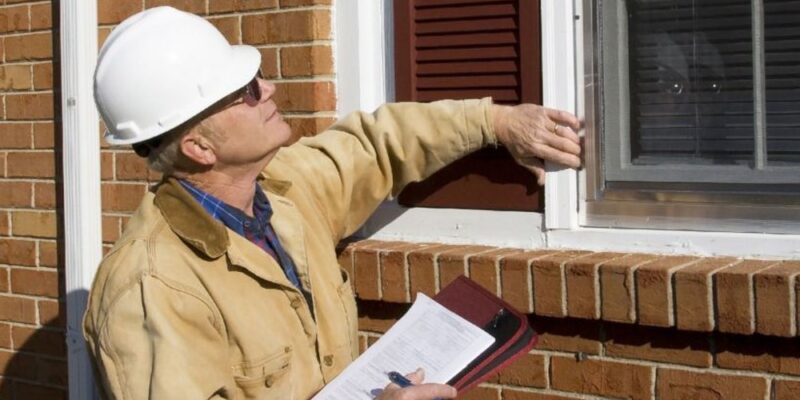
Canberra’s housing stock tells an interesting story. The city experienced a major building boom during the mid-twentieth century. A significant portion of available properties are now several decades old. The freeze-thaw cycles wreak havoc on concrete foundations. You’ve got a recipe for structural surprises that won’t show up in glossy real estate photos. Property inspections in Canberra reveal what’s really happening beneath those freshly painted surfaces.
Understanding the Process
Most people think inspectors just walk around ticking boxes. The reality is far more forensic. A proper building examination in the ACT follows specific Australian Standards. Inspectors access roof cavities and subfloor areas during their assessment. They use thermal imaging cameras to detect moisture problems invisible to the naked eye. Canberra’s red clay soil expands and contracts with moisture levels. This creates foundation movement that generates those cracks agents love to call “minor cosmetic issues.”
Uncovering Hidden Issues
Here’s something sellers rarely mention. Older Canberra homes likely contain asbestos in some form. It might be in the eaves or the garage roof. Sometimes it’s tucked behind wall cladding. Property inspections in Canberra specifically look for fibro materials that estate agents describe as “original features.” There’s also the matter of aluminium wiring in older constructions. Insurance companies now consider this a fire risk. One property in Lyneham looked immaculate at first glance. The inspector found the previous owner had simply painted over active mould growth in multiple rooms.
Negotiation Leverage
Forget the standard approach of asking for a token discount. Detailed inspection reports let you get surgical with negotiations. An inspector might document that a property’s older Colorbond roof has reached the end of its effective life. You’re not guessing at replacement costs anymore. You’re presenting the seller with a concrete figure they’ll need to address. Same goes for stumbling blocks like non-compliant bathroom ventilation. Electrical panels that don’t meet current safety standards create similar leverage. Sellers hate dealing with these specifics. That’s precisely why they work.
Long-Term Planning
The real value emerges when you treat the inspection report as a maintenance bible. That notation about a serviceable but aged hot water system means replacement is on the horizon. The comment about guttering showing signs of rust perforation translates to a job you’ll need to budget for soon. Canberra’s hailstorms don’t mess about. Knowing your roof’s vulnerability rating helps you prioritise restoration work. You can act before the next severe weather event rather than after insurance claim headaches begin.
Meeting Legal Requirements
Australian Consumer Law doesn’t require sellers to fix anything before sale. They just can’t actively mislead you. This grey area has burned plenty of buyers. People assume “recently renovated” means “comprehensively updated to code.” Property inspections in Canberra cut through marketing speak. A heritage-listed cottage in Ainslie was once marketed as charming and move-in ready. The inspection revealed the entire electrical system needed replacing. It still ran on original vintage wiring.
Pest Detection Matters
Termites love Canberra’s established suburbs. Areas with large eucalyptus trees nearby are particularly vulnerable. The real concern is European house borers though. These pests specifically target the sapwood in older structural timbers. They can turn load-bearing beams into hollow shells. The surface looks perfectly fine whilst the interior crumbles away. Pest inspections also catch subterranean termite activity in critical areas. Soil meeting timber is a common problem spot. Homes with attached wooden decks face higher risks. Garden beds built too close to the house frame create similar vulnerabilities.
Safety Assurance
The bushfire overlay zones affecting Canberra’s outer suburbs come with specific building requirements. Many older properties don’t meet these standards. Inspectors check whether homes in these areas have appropriate ember guards on vents. Compliant roofing materials matter significantly. Adequate clearance zones are essential for bushfire safety. There’s also the pool fence issue to consider. Regulations changed multiple times over the decades. Non-compliant barriers can derail settlements. They create liability nightmares for new owners.
Conclusion
The Canberra property market moves fast. Rushing past proper due diligence is where buyers get unstuck. Property inspections in Canberra aren’t about finding perfect properties. They don’t exist in the real world. They’re about knowing exactly what you’re buying. You need to understand what it’ll cost to maintain. Whether those costs align with your budget matters enormously. Your tolerance for renovation projects plays a role too. The difference between a sound investment and a money pit often comes down to what a qualified inspector spots during their examination. Every property inspection in Canberra is money spent to avoid spending vastly more down the track.










Comments