
 By
By 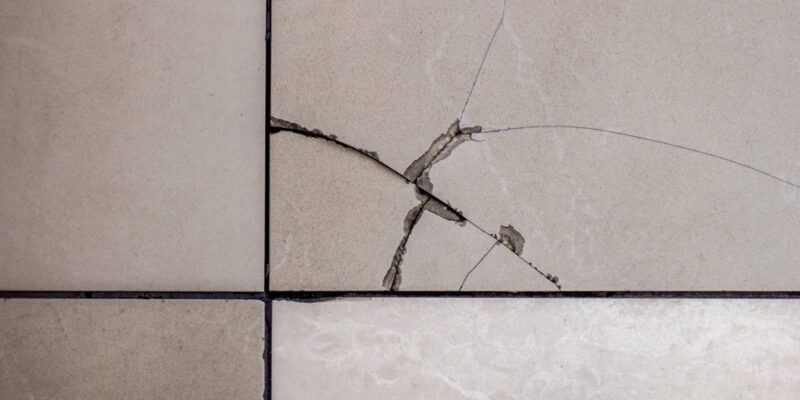
When preparing a home for sale, many sellers assume they need to renovate or upgrade everything. New kitchens. Updated bathrooms. Big, expensive changes. In reality, buyers are usually far more focused on something quieter: whether the home feels reliable.
Condition tends to matter more than cosmetic perfection. The right repairs can ease buyer concerns, reduce negotiation pressure, and help a sale move forward more smoothly. The challenge is knowing which fixes genuinely influence buyer confidence, and which ones rarely affect a decision at all.
Start With Repairs That Signal Risk
Buyers are quick to notice anything that suggests future problems or unexpected costs. Even a well-presented home can lose momentum if there are unresolved issues that hint at safety or structural concerns.
Before listing, it’s worth paying attention to things buyers instinctively worry about. Roof damage or signs of leaks. Plumbing issues, such as slow drains or water stains. Electrical problems like flickering lights or outdated outlets. Broken steps, loose railings, or uneven walkways.
These are the kinds of issues that tend to surface during inspections anyway. Addressing them early not only reduces the risk of deals falling apart later, but also helps buyers feel more secure as they move through the home.
Many home-selling resources, including guidance from GreatPropertyIdeas, recommend prioritising these repairs because they directly influence trust.
Fix What’s Obvious, Not Everything
It’s easy to feel pressure to fix every flaw, but buyers don’t expect a home to be perfect. Some wear and tear is normal, especially in older properties. What tends to matter more is whether issues are visible enough to become distracting.
Small, obvious problems can quietly undermine confidence. Doors or windows that stick. Loose handles or hinges. Cracked tiles or damaged trim. Lights or exhaust fans that don’t work.
These fixes are often inexpensive, but they remove signals that suggest neglect. When those distractions disappear, buyers are free to focus on the home itself rather than what might need attention later.
Pay Attention to the Systems Buyers Ask About
During viewings, buyers often ask about the same things. They want to know how old major systems are and whether replacements are looming in the near future.
Heating and cooling systems. Water heaters. Appliances that are included in the sale. These elements carry more weight than many cosmetic details.
If systems are older but still functioning well, servicing them and keeping maintenance records can go a long way. Replacement isn’t always necessary unless something is clearly failing or outdated. Often, reassurance and transparency are enough to keep buyers comfortable.
Use a Checklist to Stay Grounded
Repair work can quickly become overwhelming, especially when attention is split across multiple rooms and systems. A structured checklist helps bring clarity to the process and prevents important steps from being overlooked.
This free pre-inspection checklist covers key repair areas, safety considerations, and condition checks, making it easier to prepare with confidence:
Working through a checklist also makes conversations with contractors simpler and helps you keep track of what’s already been completed.
Know When Not to Repair
Not every repair adds value before selling. Highly personalised upgrades, full renovations, or cosmetic changes driven by personal taste often don’t deliver a return.
If a repair doesn’t improve safety, function, or buyer confidence, it may be better left undone. In many cases, correct pricing and clear presentation have a greater impact on buyer interest than perfection ever could.

In the End
Preparing a home for sale isn’t about fixing everything. It’s about fixing the right things.
By addressing visible issues, safety concerns, and functional repairs, sellers help buyers feel more comfortable moving forward. With a clear repair plan and a reliable checklist, it becomes easier to avoid last-minute surprises, reduce stress, and support a smoother sale overall.








Comments