
 By
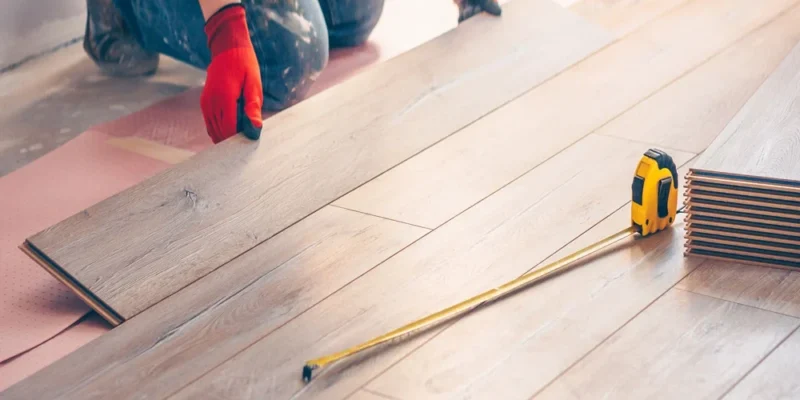
You’ve received three quotes for engineered hardwood flooring. One looks like a bargain, another seems reasonable, and the third makes you wonder whether the contractor plans to install your floor with a gold-plated hammer.
Before choosing the cheapest option, look beyond the total. Quotes can differ because contractors may include different materials, preparation work, and installation services. For homeowners in Toronto and North York, understanding these differences can prevent unpleasant surprises when the final invoice arrives.
1. Compare the Flooring Specifications
Two engineered hardwood products may look similar but differ in construction, wear-layer thickness, plank dimensions, finish, and warranty coverage.
Ask each contractor to specify the manufacturer, product name, colour, and relevant specifications. Confirm that the material quantities include an appropriate allowance for cutting waste.
Otherwise, one quote may appear cheaper simply because it covers a less expensive product or insufficient material.
2. Check What’s Included in Installation
Installation costs depend on the flooring product, installation method, room layout, and site conditions.
Ask whether the quote includes cutting and fitting boards, working around doorways, installing transitions, and completing the agreed finishing work. Confirm whether furniture removal, baseboard work, and door adjustments are included or charged separately.
A quote covering basic installation may be perfectly reasonable, provided you understand what remains your responsibility.
3. Investigate Subfloor Preparation
The surface beneath your new flooring must meet the requirements of the selected installation system. Uneven areas, old adhesive, damaged sections, or moisture concerns may require attention before installation.
Older Toronto and North York homes can sometimes conceal problems beneath existing floors. Ask whether the contractor has inspected the subfloor and what preparation is included.
If additional repairs cannot be assessed until the old flooring is removed, establish how they will be priced. Agree that extra work must be approved before it begins.
4. Read the Exclusions Carefully
Check whether each quote includes:
- Removal and disposal of existing flooring.
- Required adhesive, underlay, and installation materials.
- Baseboard removal or reinstallation.
- Transition strips and finishing trims.
- Delivery and material handling.
- Additional subfloor repairs.
- Applicable taxes.
Not every project requires every item. The goal is to identify what your home needs and determine whether each contractor has included it.
For example, a $3,200 quote might exclude removal and disposal, while a $3,500 quote includes both. The cheaper option may still offer better value, but you need to price the missing work before deciding.
The lowest number is a starting point, not a verdict.
5. Ask About Unexpected Costs
Even a careful inspection may not reveal every problem hidden beneath an existing floor. Ask how additional work will be priced, whether changes will be documented in writing, and whether you must approve extra charges before work proceeds.
Confirm the expected schedule, payment terms, workmanship warranty, and cleanup responsibilities as well.
For more background on project expenses, read LV Flooring’s guide to the cost of installing engineered hardwood floors.
6. Compare the Complete Estimates
Create a simple comparison covering materials, labour, preparation, removal, accessories, exclusions, and taxes. This makes it easier to compare equivalent services rather than unrelated totals.
Consider keeping a contingency for unexpected repairs, particularly if the subfloor has not been exposed. The appropriate amount depends on the property’s condition and the uncertainty involved.
Remember that a higher quote does not automatically guarantee better workmanship, and a lower one does not necessarily indicate poor quality. Consider the contractor’s experience, the clarity of the quotation, and the proposed approach.
Final Thoughts
Comparing flooring quotes is not about finding the smallest number. It is about understanding exactly what you are paying for.
For Toronto and North York homeowners, checking product specifications, preparation requirements, exclusions, and additional charges can make budgeting far more predictable.
A clear quotation helps you make an informed decision-and leaves you enjoying your new hardwood floor instead of wondering why the final bill has developed a personality of its own.







Comments