
 By
By 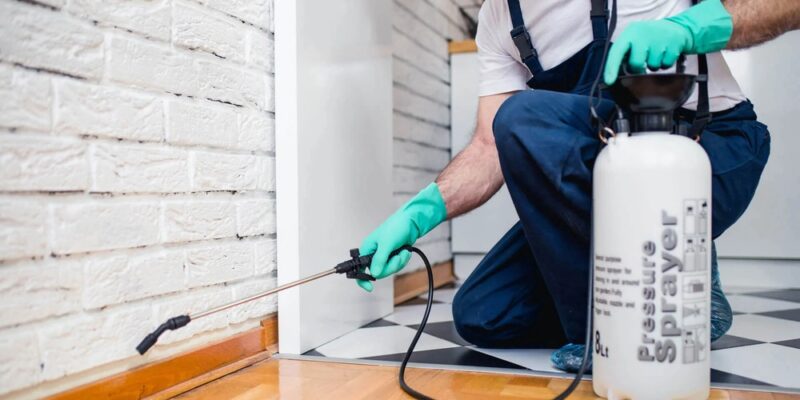
There’s a certain kind of optimism that comes with spotting a bug in your house and reaching for a can of Raid. Sometimes it works. You handle it, you move on, and that’s the end of it. But Atlanta is not a city that rewards wishful thinking when it comes to pests. The climate here is too warm, too humid, and too hospitable for most infestations to just go away on their own – and a lot of homeowners learn that the hard way.
So how do you know when a pest problem is something you can handle yourself, and when it’s time to pick up the phone and call a professional, like North Fulton Pest Solutions? Here’s a practical guide.
You’ve Spotted Termites – Or Anything That Looks Like Them
This one is non-negotiable. If you see winged insects swarming around your windowsills or door frames in the spring, or if you find small piles of what looks like sawdust near wood structures, call a professional immediately. Don’t wait, don’t Google home remedies, don’t hope it sorts itself out.
Subterranean termites are one of the most destructive pests in Georgia, and Atlanta’s combination of clay soil, moisture, and warm temperatures makes the metro area one of the higher-risk regions in the country. A mature termite colony can cause serious structural damage before most homeowners even realise there’s a problem. Treatment requires professional-grade products and techniques – bait systems, liquid soil treatments, or a combination of both – that simply aren’t available over the counter.
The cost of professional termite treatment is a fraction of the cost of repairing termite damage. Don’t gamble on this one.
You Keep Seeing Roaches – Especially During the Day
Spotting the occasional large American cockroach wandering in from outside is fairly common in Atlanta and not necessarily a crisis. Those big waterbugs are mostly outdoor insects that sometimes find their way inside. Annoying, but manageable.
German cockroaches are a different story entirely. They’re smaller, lighter brown, and they live and breed inside your home – in kitchen cabinets, behind appliances, inside walls. If you’re seeing cockroaches during the day, that’s a significant warning sign. Cockroaches are nocturnal by nature, so daytime sightings usually mean the population has grown large enough that competition for space is pushing them out into the open.
German cockroach infestations are notoriously difficult to eliminate with DIY methods. They reproduce rapidly, they develop resistance to over-the-counter insecticides, and they hide in places that sprays and baits rarely reach effectively. A professional treatment with gel baits, insect growth regulators, and targeted application in harborage areas is almost always necessary to get a real infestation under control.
You’re Finding Rodent Evidence in Multiple Areas
A single mouse that wandered in through a gap isn’t necessarily a full infestation. Set a couple of traps, find the entry point, seal it up – sometimes that’s genuinely enough.
But if you’re finding droppings in multiple rooms, hearing scratching in the walls or ceiling in more than one spot, or noticing chewed wiring, insulation, or food packaging on a regular basis, you’re dealing with an established population and DIY methods are unlikely to be enough on their own.
Rodents breed fast. A small problem left unaddressed through an Atlanta winter can become a significant infestation by spring. Professionals don’t just set traps – they conduct a thorough inspection to find entry points, assess the extent of the problem, and implement an exclusion plan that actually addresses the source rather than just catching whatever rodents happen to find the bait.
You Have a Stinging Insect Nest in a Difficult Location
Yellow jacket and wasp nests that are small, accessible, and away from high-traffic areas can often be treated with an over-the-counter aerosol at dusk when the insects are less active. But there are situations where you should absolutely call a professional instead.
If the nest is inside a wall void, in the attic, or underground, attempting to treat it yourself is risky and often ineffective. If the nest is large – yellow jacket colonies in particular can grow to tens of thousands of individuals by late summer – DIY treatment significantly increases your risk of a serious sting event. And if anyone in your household has a known allergy to stings, don’t take chances regardless of nest size or location.
Atlanta’s long warm season means stinging insect colonies have more time to grow than in most parts of the country. A nest you spot in June and decide to “deal with later” can be dramatically larger by August.
You’re Dealing With a Bed Bug Situation
If you suspect bed bugs, call a professional. Full stop.
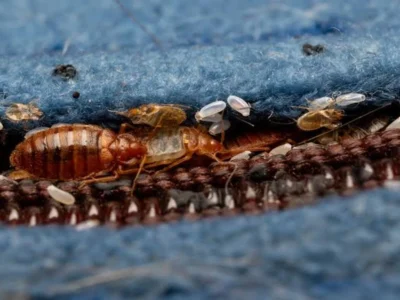
Bed bugs are one of the most difficult pest problems to eliminate without professional intervention. They hide in mattress seams, behind baseboards, inside electrical outlets, and deep in furniture – places that over-the-counter sprays simply don’t reach. They’re also increasingly resistant to many common pesticide classes.
Professional treatment options include heat treatment (raising room temperature to levels lethal to all life stages of bed bugs), targeted chemical treatment, or a combination of both. These are not DIY-replicable approaches. Attempting to treat a bed bug infestation yourself often results in spreading the insects to other parts of the home while the core population survives.
The Same Pest Problem Keeps Coming Back
If you’ve treated a pest problem two or three times and it keeps returning, that’s a clear signal that something is being missed. Either the treatment isn’t reaching the source of the infestation, there’s an entry point or harborage area that hasn’t been identified, or the conditions attracting the pests – moisture, food sources, structural gaps – haven’t been addressed.
A professional inspection can identify what’s being missed. Pest control companies see these patterns constantly and are often able to diagnose the root cause of a recurring problem quickly. Sometimes the fix is straightforward once the right eyes are on it.
You’re Seeing Wildlife Getting a Little Too Comfortable
Atlanta’s urban sprawl has pushed wildlife closer to residential areas, and it’s not uncommon for homeowners across the metro to deal with squirrels in the attic, raccoons under the deck, or opossums in the crawl space.
Wildlife removal is a job for licensed professionals. Many species are protected under Georgia law, and improper removal can carry legal consequences. Beyond the legal side, wildlife that has established a den in your home has often caused damage – to insulation, wiring, and structural elements – that needs to be assessed alongside the removal.
A licensed wildlife control operator can remove the animals humanely, identify and seal the entry points they used, and advise on repairs needed to prevent re-entry.
The Bottom Line
DIY pest control has its place, and for minor, isolated problems it can work perfectly well. But Atlanta’s climate means pest pressures here are real and persistent, and some infestations genuinely require professional tools, expertise, and follow-through to resolve.
When in doubt, a professional inspection is usually free or low-cost, and it gives you an accurate picture of what you’re actually dealing with. Knowing the true scope of a problem early almost always leads to a better outcome – and a lower total cost – than finding out six months later that what looked like a minor issue had been quietly growing the whole time.








Comments