
 By
By 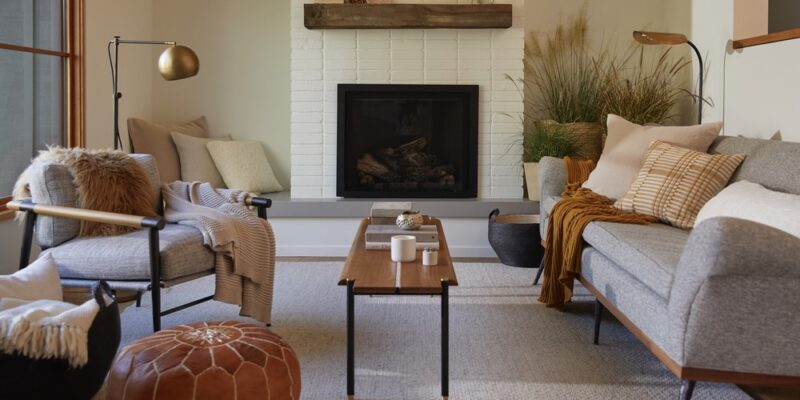
Your environment is a silent collaborator in your creative process. The way your space is arranged can either amplify or stifle your ability to generate ideas. A well-planned furniture layout enhances comfort, reduces distractions, and fosters an atmosphere that encourages innovation. Thoughtful placement of furniture can cultivate an inspiring ambiance without requiring drastic overhauls. Even the simplest changes—like repositioning a desk or incorporating adaptable seating—can profoundly impact creativity and workflow.
The Connection Between Space and Creativity
The spaces we occupy influence our mental clarity, emotional state, and cognitive function. A room filled with natural light and strategically arranged furniture can stimulate fresh ideas, while a cramped, chaotic space can inhibit focus and productivity.
Clutter can be a major roadblock to creativity. Research suggests that an organized environment frees up cognitive resources, allowing for more imaginative thinking. A streamlined furniture layout helps eliminate visual noise, making room for creative breakthroughs.
Spaces that allow for seamless movement create a sense of ease, reducing mental friction. A well-thought-out furniture arrangement should support natural transitions between activities—whether it’s brainstorming, deep work, or relaxation.
The Essentials of a Creativity-Boosting Furniture Layout
Your creative workspace should be more than just functional—it should inspire, energize, and facilitate an effortless flow of ideas. A well-planned furniture layout contributes to mental clarity and encourages sustained creative engagement. Whether you’re designing a home office, studio, or communal workspace, incorporating comfort, organization, and openness into your setup will set the stage for a productive and imaginative environment. Below are key principles to consider when crafting a space that maximizes your creative potential.
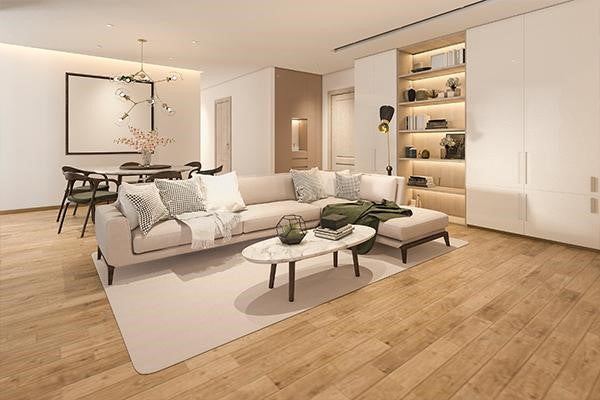
- Comfort and functionality. A space that prioritizes both ergonomics and aesthetics can significantly enhance creativity. Comfortable seating, adjustable desks, and intuitive storage contribute to an environment where ideas can flow effortlessly.
- Designated zones. Segmenting your space into zones—such as an idea-generation nook, a production area, and a relaxation spot—allows for greater efficiency. Each area should serve a distinct purpose while maintaining a cohesive design.
- Natural light and open space. Light-filled spaces with unobstructed views promote clarity of thought. Positioning furniture near windows and keeping sightlines open can enhance spatial perception and inspire a sense of expansiveness.
Choosing the Right Furniture for a Creative Space
The furniture you select plays a crucial role in shaping the creative energy of your space. The right pieces should not only provide comfort but also encourage flexibility and adaptability. A well-designed workspace should cater to different modes of creativity—whether it’s brainstorming, deep focus, or hands-on creation. By incorporating multi-functional furniture, ergonomic seating, and efficient storage solutions, you can create an environment that supports and enhances your creative workflow.
- Multi-Functional Furniture. Convertible desks, collapsible tables, and mobile storage units allow for adaptability, ensuring your space can evolve alongside your creative process.
- Desk Styles. Standing desks encourage movement, while L-shaped desks provide ample workspace for multitasking. Floating desks can create an uncluttered, modern aesthetic.
- An ergonomic chair with proper lumbar support prevents discomfort, allowing you to stay engaged for longer stretches of time without distraction.
- Bookshelves and storage. Open shelving fosters accessibility and visual inspiration, while concealed storage reduces distractions. A well-curated bookshelf can serve as both a functional element and a source of creative stimulation.
Finding the Right Layout
Expansive layouts encourage movement and spontaneous collaboration, making them ideal for brainstorming sessions and ideation. Enclosed spaces with warm lighting and plush seating create a cocoon-like effect, fostering deeper concentration and reflection. Minimalist environments promote clarity, but they can sometimes feel sterile. Adding personal touches—like curated decor or textured fabrics—helps strike a balance between simplicity and inspiration.
Keeping Your Layout Dynamic
A static workspace can lead to creative stagnation, while a dynamic layout fosters inspiration and adaptability. Creativity thrives in environments that evolve alongside changing needs. By incorporating flexible furniture, reconfigurable elements, and modular solutions, you can maintain a workspace that supports both spontaneity and structure. Whether you need space for collaborative brainstorming or a quiet corner for deep focus, keeping your layout dynamic ensures that your environment remains a source of inspiration and productivity.
- Flexible furniture arrangements. A rigid workspace can stifle creativity. Moveable furniture keeps the energy dynamic, encouraging spontaneous rearrangements to suit evolving needs.
- Rolling desks and chairs. Mobile furniture pieces enable swift transitions from one mode of work to another, fostering adaptability and efficiency.
- Modular furniture. Stackable chairs, expandable tables, and adjustable shelving allow for seamless transformations based on creative demands.
Inspiring Layouts for Different Creative Pursuits
The layout of a creative space should align with the specific needs of its users. Different artistic disciplines require different spatial arrangements to maximize efficiency and inspiration. Whether you’re a writer, painter, musician, or craftsperson, the way you set up your environment can profoundly influence your creative output. From minimalistic setups that minimize distractions to expansive spaces that foster collaboration, tailoring your furniture layout to your creative pursuit can lead to greater productivity and innovation.
- For Writers and thinkers. A writer’s workspace should be distraction-free, with a comfortable chair, ample desk space, and minimal visual clutter.
- Artists and designers. Open floor plans, adjustable work surfaces, and ample storage for materials keep an artist’s space functional and inspiring.
- Musicians and performers. Soundproofing elements, ergonomic seating, and flexible setups allow musicians to seamlessly transition between composing, rehearsing, and performing.
- Crafting and DIY spaces. Large worktables, accessible supply storage, and good lighting create an inviting environment for hands-on creativity.
The Role of Lighting in a Creativity-Enhancing Layout
Lighting is one of the most overlooked yet crucial elements of a creative workspace. The right lighting can set the mood, improve focus, and even stimulate inspiration. Poor lighting, on the other hand, can lead to eye strain, fatigue, and a lack of motivation. Whether natural or artificial, lighting should be carefully considered to complement the workspace and enhance productivity. By strategically layering different types of lighting, you can create an environment that adapts to various creative needs throughout the day. From bright, natural daylight to warm, ambient evening tones, lighting plays a pivotal role in shaping an inspiring and functional creative space
Sunlight increases serotonin levels and fosters mental clarity, making it a crucial element of any creative space. A mix of ambient, task, and accent lighting ensures that your workspace adapts to different creative needs throughout the day. Positioning lamps strategically reduces glare and shadows, optimizing visibility and focus.
Conclusion
An effortless furniture layout can be the catalyst for boundless creativity. By making strategic choices in furniture placement, lighting, and zoning, you can design a space that nurtures innovation and enhances workflow. Small adjustments, from repositioning a desk to incorporating modular furniture, can make a profound impact on inspiration and efficiency. The key is to continuously evolve your space in alignment with your creative journey.







Comments