
 By
By 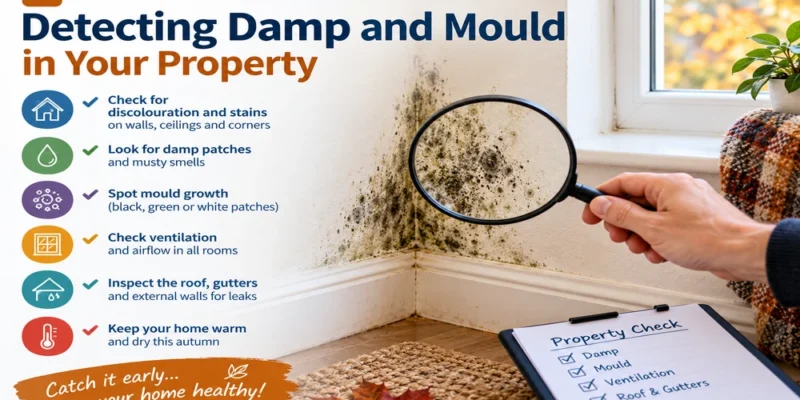
With autumn’s crisp air and falling leaves, there’s a certain charm to the season. However, as the days get shorter and temperatures drop, your home might be more susceptible to damp and mould so it it prevalent to check for damp before winter.
In the picturesque landscape of Wakefield, West Yorkshire, homeowners must be extra vigilant to protect their properties from these seasonal villains. Before winter fully sets in, it’s crucial to ensure your home remains snug and dry. Have you ever wondered if your cosy home might be hiding a damp secret?
What This Article Covers
- Discover the different types of damp that could affect your property
- Spotting signs of condensation and winter damp
- Learn practical steps to identify and prevent rising damp, penetrating damp, and condensation
- Understand the visual signs of damp and what they mean for your property
- Explore why autumn is a critical time for managing condensation
- Gain insights into the health risks associated with mould and how to mitigate them
- Finding a professional local damp proofing company in Wakefield and across West Yorkshire
Understanding Damp Proofing and the Different Types of Damp and Mould in Your Property
Damp can be a sneaky intruder, quietly infiltrating your home and causing a host of problems if not addressed. Understanding the different types of damp is the first step in keeping your property safe and healthy. Each type of damp has its unique characteristics, causes, and solutions, making it essential for homeowners to be informed. Be sure to check for damp before winter.
Rising Damp: What You Need to Know
Rising damp is a common issue that starts at the ground level and creeps upwards through your walls. This occurs when moisture from the ground rises through the porous materials of your home, creating a trail of dampness.
A damp-proof course, often a horizontal barrier of impermeable material, can be a saviour in preventing this kind of damp.
However, if it’s damaged or missing, you’re likely to see tide marks on your external walls, an indicator that rising damp is making its presence known. Ignoring these signs can lead to more serious damp issues, potentially causing structural damage over time.
If you’re living in an older home, it’s wise to keep an eye out for these signs. Rising damp doesn’t just affect the structural integrity of your property; it can also lead to unsightly damage like peeling paint and discoloured walls. Addressing rising damp promptly with a proper damp-proof course can save you from costly repairs and maintain the aesthetic appeal of your home.
Penetrating Damp: Spotting the Signs
Penetrating damp is a different beast, often resulting from water seeping through your walls due to external factors. Heavy rain, combined with poor maintenance of your roof, gutters, and downpipes, can create the perfect storm for this type of damp. Cracks in your walls can serve as gateways for water ingress, leading to watermarks on your ceilings and walls.
To nip penetrating damp in the bud, regular inspection and maintenance of your home’s exterior are crucial. Check for any cracks or damage in your walls and roof, especially after a bout of heavy rain. Ensuring your gutters and downpipes are clear will also help in preventing water build-up, which can exacerbate penetrating damp problems.
Condensation: A Common Culprit in Damp Problems
Condensation is perhaps the most common form of damp and is often a result of modern living. When warm, moist air comes into contact with cold surfaces, condensation forms, leaving behind water droplets.
This excess moisture can lead to damp issues, especially in poorly ventilated areas of your home. Double glazing can be an effective solution, reducing the amount of condensation by providing better insulation.
However, double glazing alone might not solve the problem if your home lacks proper ventilation. Rooms like kitchens and bathrooms, where moist air is prevalent, can be hotspots for condensation issues. Regularly airing these rooms and using extractor fans can significantly reduce the risk of excess moisture leading to damp and mould.
Visual Signs of Damp: What to Look For
Your home might be trying to tell you something with visible signs of damp. Discoloured patches on walls, often accompanied by peeling wallpaper or bubbling paint, are clear indicators of damp problems. These common signs shouldn’t be ignored as they can quickly escalate into more severe issues.
Mould growth is another red flag, typically appearing in areas with persistent dampness. Not only does it look unsightly, but it also poses health risks. Identifying these visual clues early on can help you address the underlying damp issues and prevent further damage to your property.
The Musty Smell: A Tell-Tale Sign You Need a Damp Survey
A persistent musty smell in your home usually points to damp problems. This damp smell is often caused by mould growth, which thrives in moist environments. Even if you can’t see any visible signs of damp, a musty odour can be an early warning signal.
Damp carpets or closed-off rooms can harbour these smells, indicating that moisture has found its way inside. If you notice a musty smell, it’s worth investigating further to find the source of the damp and tackle it before it becomes a bigger problem.
Peeling Wallpaper and Damp Patches: Common Effects of Damp
Peeling wallpaper is more than just an eyesore; it often suggests there’s dampness lurking beneath. When wallpaper starts to bubble or peel away from the wall, it’s a sign that moisture is present. Similarly, damp patches on your walls and ceilings are indicators of a potential damp problem.
These issues can quickly escalate if left unaddressed, leading to more extensive damage and higher repair costs. Regularly inspecting your walls and ceilings for these signs can help you catch a damp problem early and take appropriate action.
Why Condensation Occurs More in Autumn
Autumn brings cooler temperatures, which increase the likelihood of condensation forming in your home. As you start using your heating system more frequently, the warm indoor air meets the cold surfaces of your home, creating condensation. This seasonal pattern can lead to increased damp issues if not managed properly.
With windows closed to keep the chill out, moisture becomes trapped indoors, further promoting condensation. Understanding this seasonal behaviour can help you take proactive steps to manage condensation and prevent damp problems.
Identifying Condensation-Prone Walls in Your House
Certain areas of your home are more prone to condensation than others. Windows are common sites where condensation occurs, especially during the colder months. Bathrooms and kitchens, where steam from hot water and cooking is prevalent, frequently exhibit condensation issues.
Bedrooms with poor ventilation can also trap moisture, leading to damp problems over time. Identifying these areas and implementing solutions like improved ventilation and using dehumidifiers can help manage condensation effectively.
Managing Condensation and Moisture to Prevent Mould Growth
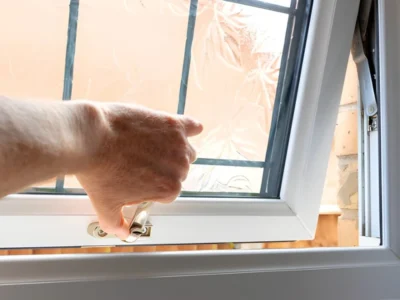
Managing condensation is key to preventing mould growth, which thrives in moist environments. Regularly airing rooms by opening windows and doors helps to reduce moisture levels. Dehumidifiers can be a great investment, efficiently reducing excess moisture in the air. Wet weather aggravates damp in UK homes
Extractor fans are particularly useful in high-moisture areas like kitchens and bathrooms, helping to remove moist air before it becomes a problem. Maintaining a consistent temperature in your home can also minimise condensation, reducing the risk of damp and mould.
Health Risks Associated with Mould Exposure
Mould exposure can pose significant health risks, especially for sensitive individuals. Allergic reactions, respiratory issues, and worsening asthma symptoms are common effects of mould exposure. Infants and the elderly are particularly vulnerable to these health problems, making it crucial to address mould issues promptly.
Ensuring good indoor air quality by managing damp and mould is essential for your family’s health. Taking proactive steps to prevent mould can help you avoid these health risks and maintain a healthy living environment.
Mould tend to build up or cold walls where water vapour condenses in the cold weather leading to a serious mould problem and signs of visible damp.
Understanding the Long-Term Effects of Ignoring Damp
Damp issues get worses in the winter months of November, December, January and February. Heavy rainfall can also by a source of moisture and drying clothes indoors can make things even worse.
Ignoring damp problems in your home can lead to serious long-term effects. Prolonged damp exposure can cause structural damage, potentially leading to costly repairs. Property value may decrease if damp issues persist, making it harder to sell your home in the future.
Damp problems can also escalate if not addressed promptly, leading to more extensive damage and higher repair costs. Taking action to address damp issues early on can save you from these long-term headaches.
Regular Maintenance Tips to Keep Damp at Bay
Regular maintenance is key to keeping damp at bay. Checking your gutters regularly to prevent blockages can help manage water flow and prevent damp issues. Ensuring proper ventilation in all rooms, especially during the colder months, is crucial in managing moisture levels.
Inspecting your roofing for any signs of damage or leaks can prevent water from seeping into your home. Sealing cracks in your walls can also stop water ingress, helping to keep your home dry and free from damp problems.
Conclusion
Damp and mould can be formidable foes when it comes to maintaining a healthy and comfortable home. By understanding the different types of damp, spotting the signs early, and taking proactive measures, you can protect your property from the damaging effects of moisture, damp or condensation with a damp proof course and other damp treatments.
If you do need a damp survey, book a professional, local Wakefield Damp Surveyor
Regular maintenance and vigilant monitoring are your best allies in this battle. What steps will you take this autumn to ensure your home remains dry and mould-free? Share your thoughts and tips in the comments below!
Frequently Asked Questions
What are the early signs of damp in a house?
Early signs of damp can be subtle but are crucial to catch early. Look out for musty odours, peeling wallpaper, or discoloured patches on walls and ceilings. You might also notice condensation on windows or surfaces that feel cold and clammy. Keep an eye out for black mould spots, particularly in corners and behind furniture. If you observe any of these signs, it’s wise to investigate further to prevent more serious issues from developing.
How much does a damp test cost?
The cost of a damp test can vary depending on your location and the size of your property. On average, you might expect to pay between £50 and £150 for a basic inspection.
Some companies offer free initial surveys, but these are often cowboys or rogue traders looking for a foot in your door so it’s important to ensure that the inspection is thorough and conducted by a qualified professional. Investing in a proper damp test can save you from more costly repairs down the line.
How do I know if damp is making me ill?
Damp and mould can trigger allergies or respiratory issues. You might experience symptoms like sneezing, coughing, or a runny nose. Asthma sufferers could notice worsening symptoms.
If you’ve recently developed these issues and suspect damp, it’s worth consulting a healthcare professional. Reducing exposure and addressing the source of damp can alleviate symptoms, though medical advice should always be sought for persistent health concerns.
What is the minimum house temperature needed to avoid damp?
Maintaining a consistent indoor temperature of around 18°C to 20°C can help prevent damp. Proper ventilation is equally important, as it reduces moisture levels in the air.
Open windows regularly and use extractor fans in kitchens and bathrooms. Balancing heating and ventilation will reduce condensation and discourage damp from taking hold. A hygrometer can be useful for monitoring humidity levels, keeping them ideally between 40% and 60%.








Comments