
 By
By 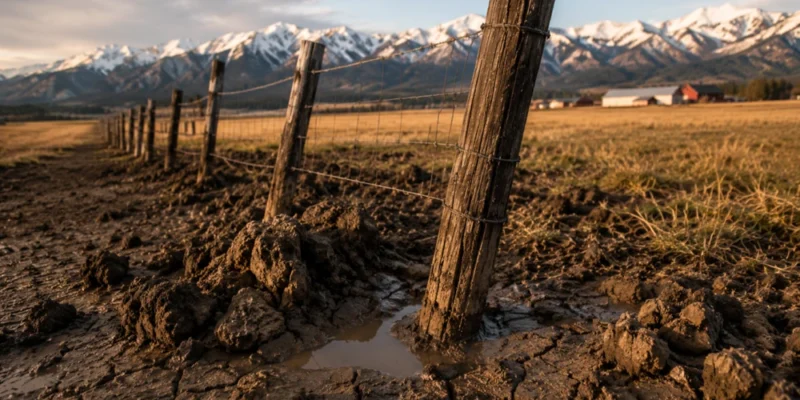
A fence post in Boise spends every winter in ground that freezes and thaws again and again. Winter afternoons rise above freezing. Most nights drop below it. Each freeze swells the soil, and each thaw lets it settle. Over a few years, this movement loosens posts, tilts panels, and pulls gates out of square. Most of it can be prevented with one decision made before any panel goes up. Boise fence installation services treat that decision as the foundation of the whole project.
Boise Winters Swing Above and Below Freezing
Boise does not have a consistent pattern of cold weather. National Weather Service normals put December and January afternoons near 39 degrees. Overnight lows fall into the mid-20s. February reaches about 46 degrees by day and still drops to roughly 29 at night. This pattern of thawing days and freezing nights repeats through much of the season. Frost heave comes from that repetition. Even a mild winter can move a post, as long as the temperature keeps crossing the freezing point. Water expands by about nine percent when it turns to ice. When soil moisture freezes, the ground expands around the post and can push it upward. When the ground thaws, the post can settle back down. It seldom returns to its exact starting point. A post that stood straight in October can be leaning or cracked around its concrete footing by April.
Why the Valley’s Soil Makes Heaving Worse
Much of the Treasure Valley rests on silt loam. This soil built up over decades of irrigated farmland. Silty soil holds water well. That helps a garden and harms a fence. Ground that is wet before a freeze contains more water to expand, which can push posts upward with greater force. Poor drainage makes the problem worse. A low spot that collects runoff, or a sprinkler line left running into late fall, keeps the soil wet longer and increases the risk of heaving.
Setting The Posts Below the Frost Line
The standard defense is depth. In Boise and the rest of Ada County, footings are set to a frost depth of 24 inches. Fence posts should reach the same depth. A post anchored below the freeze line keeps its base in soil that stays put all winter. The freeze then happens harmlessly above it. A post set only twelve or sixteen inches deep remains within the layer of soil affected by frost and is more likely to shift. Concrete alone does not prevent this problem. A shallow concrete footing can form a solid mass that frost lifts as one piece.
Keeping Water Away from the Posts
Depth addresses one part of the problem. Drainage addresses the other. A deeper footing helps limit frost movement, but good drainage is just as important. A few inches of gravel at the bottom of the hole gives meltwater a path away from the post. Without it, water collects against the concrete. Sloping the top of the footing away from the post helps shed water and can extend the fence’s lifespan. Careful crews treat the hole itself as part of the structure. Petrified Fence handles the freeze-thaw problem at this stage. It sets posts to the full 24-inch frost depth and adds a gravel drainage base on every job, which keeps its fences straight years after installation.
What To Confirm Before Hiring a Crew
Before hiring an installer, a homeowner should get clear answers about what will go into the ground:
- How deep the post holes will be dug, and whether they reach the 24-inch frost depth.
- Whether a gravel base is included at the bottom of each hole.
- How water will be directed away from the posts.
An installer who can answer these questions clearly has likely planned for Boise’s winter weather. If the conversation stays focused on panels and colors, the details below ground may not have received enough attention.








Comments